Spotlight on co-gardening
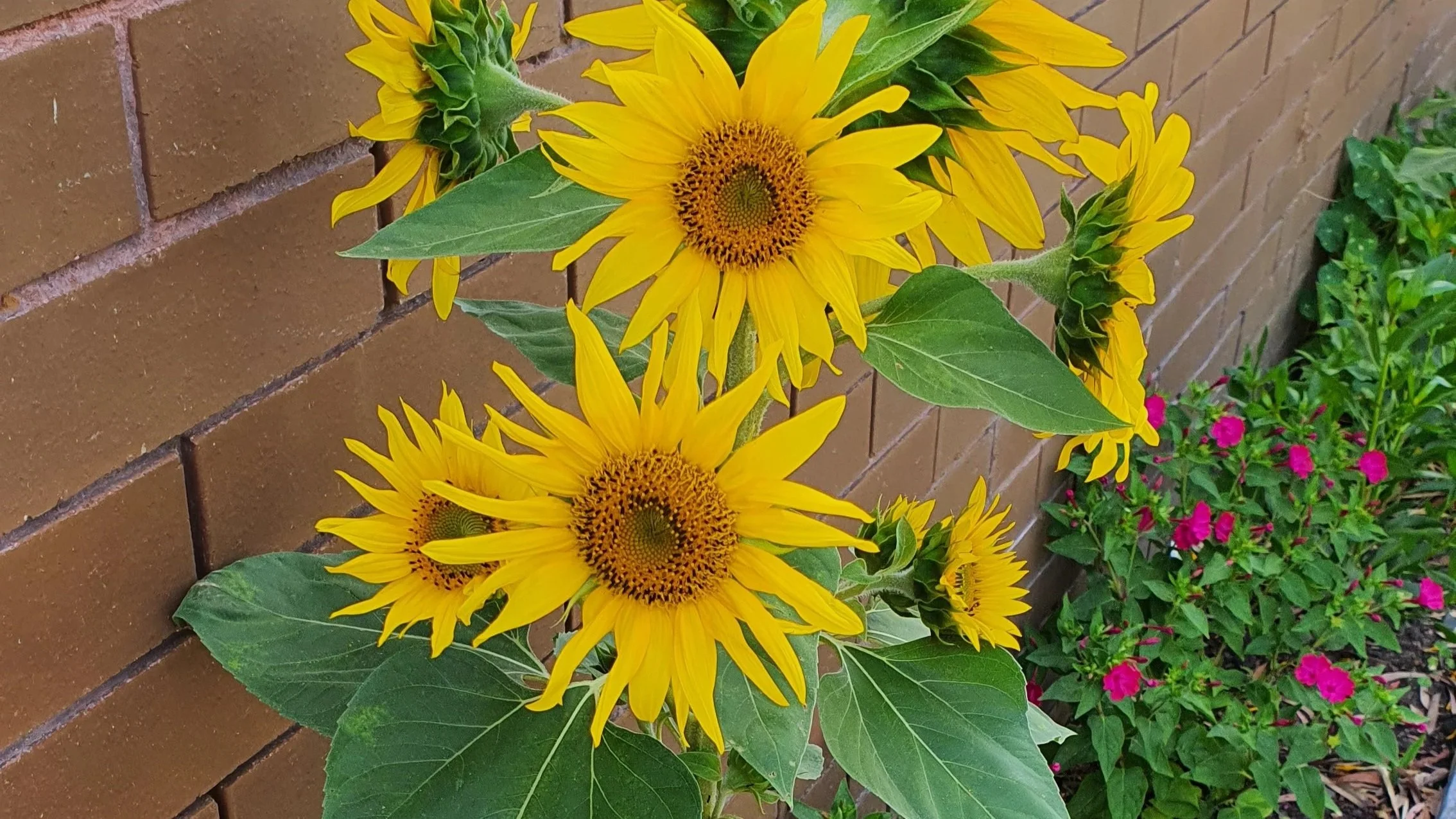
One of the highlights of my week is my co-gardening sessions. Co-gardening is simply the act of gardening alongside another person. Many of the people I work with are neurodivergent, manage mental health struggles, or face physical challenges that make gardening alone feel overwhelming.
I see the power of plants to regulate our senses and lower stress every single week. Sometimes a client will start a session with low energy/mood, but by the end, I usually see genuine joy and a fresh burst of enthusiasm.
Below is an example of a resourceful client’s backyard transformation. She started with nothing more than a weedy raised bed and a dream to create a colourful, relaxing space with edible plants. We replenished the soil, visited the nursery together to buy plants, and she sourced pots and garden furniture for free from hard rubbish and Marketplace.
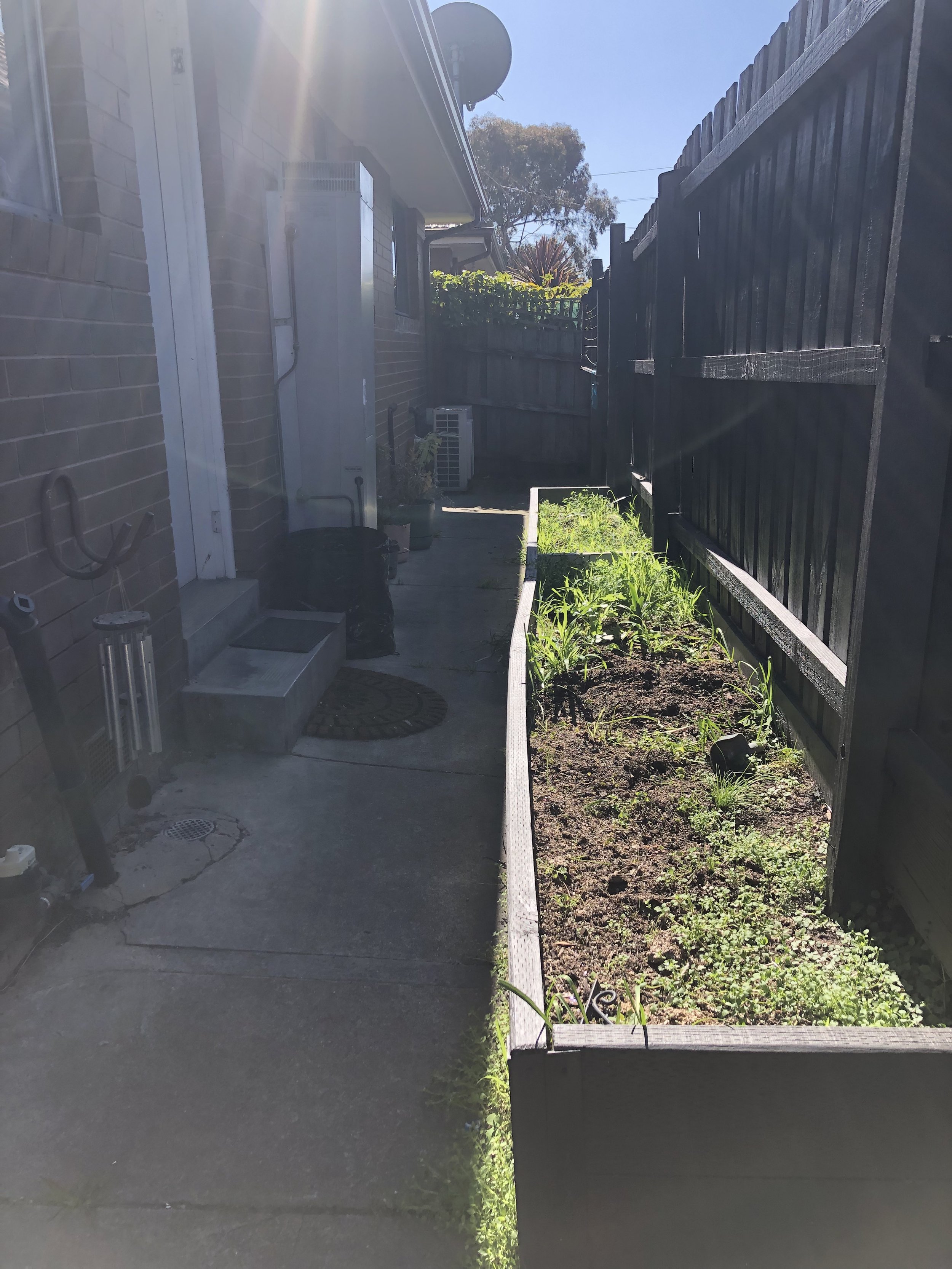
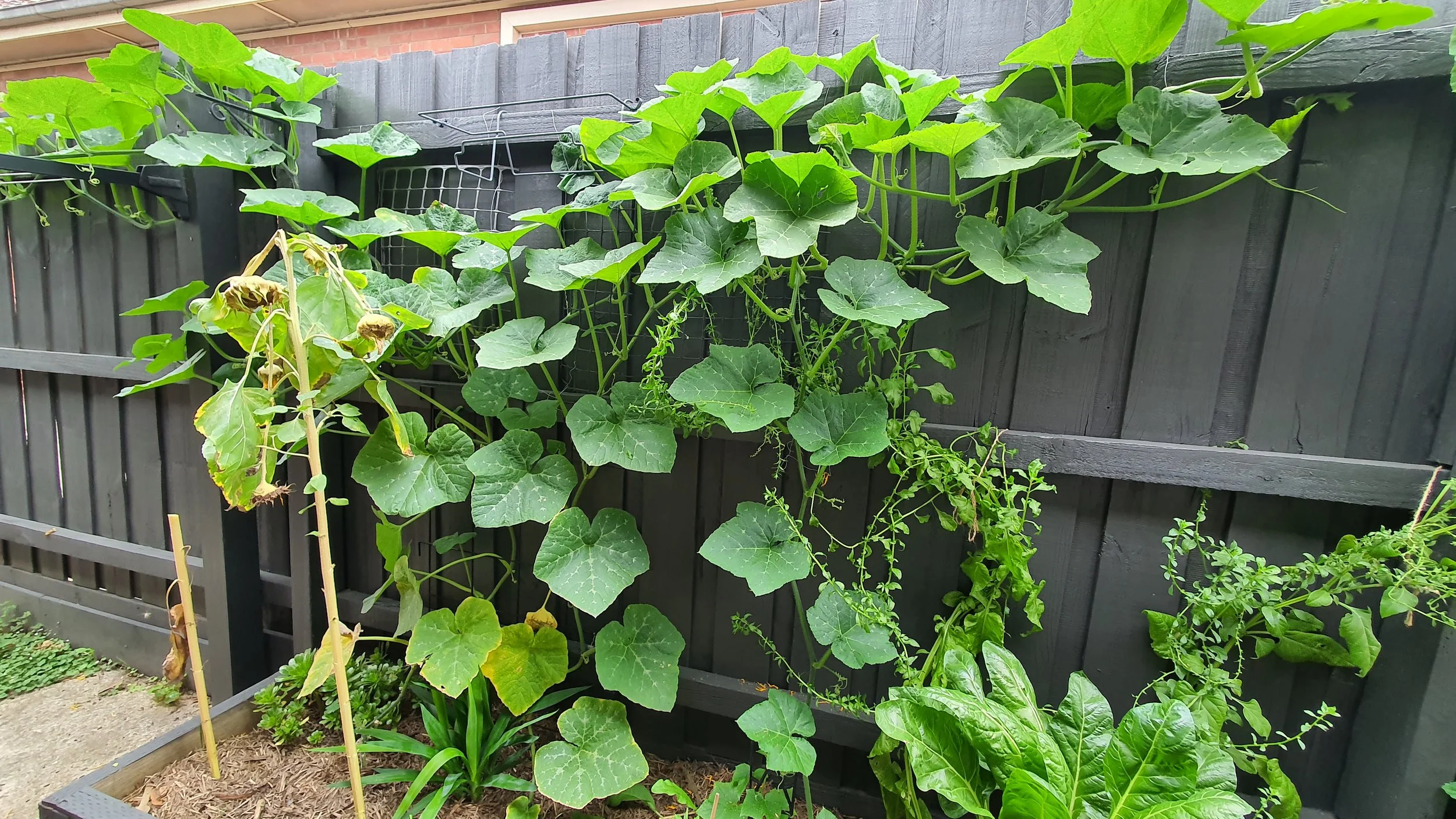
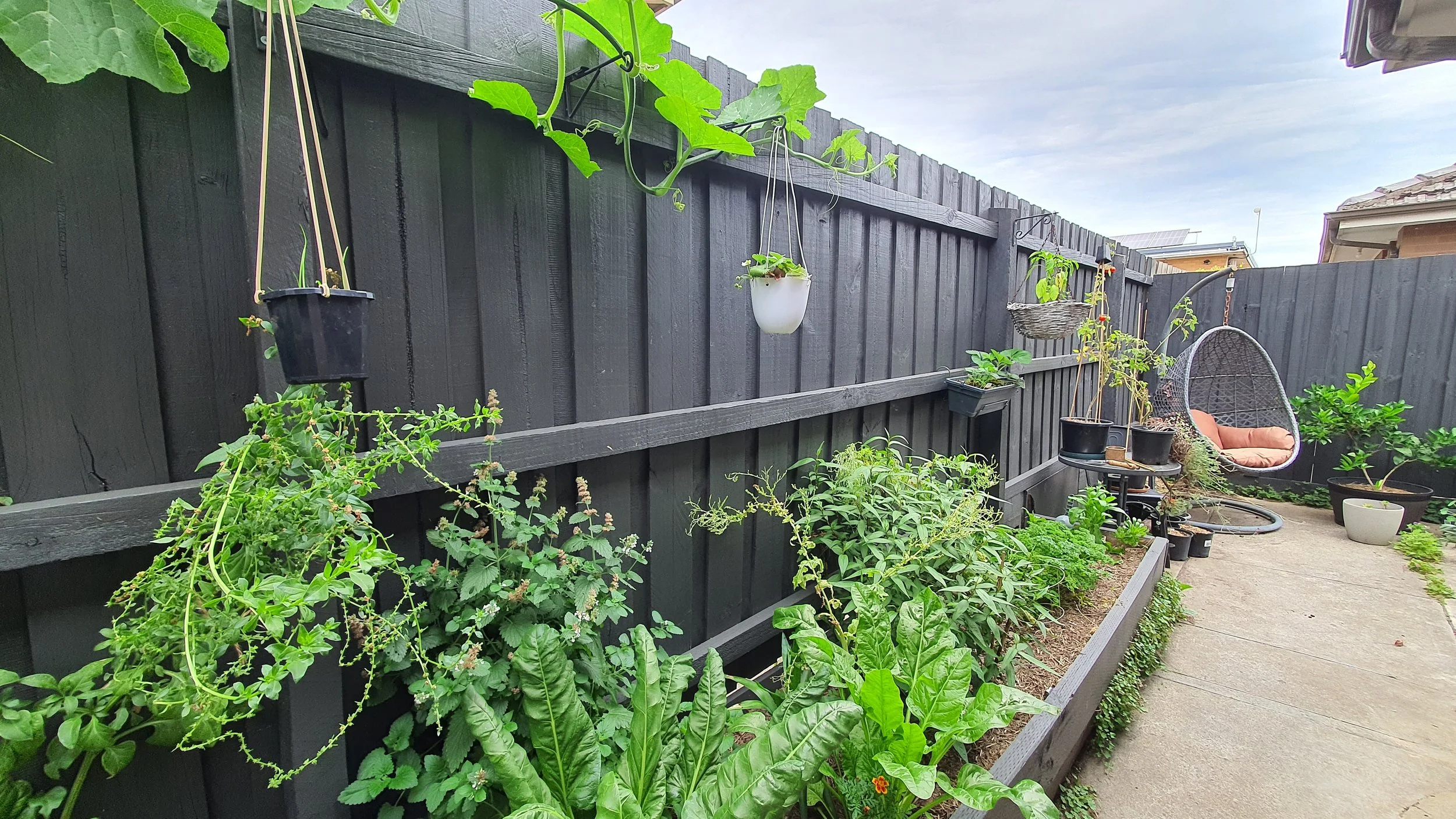
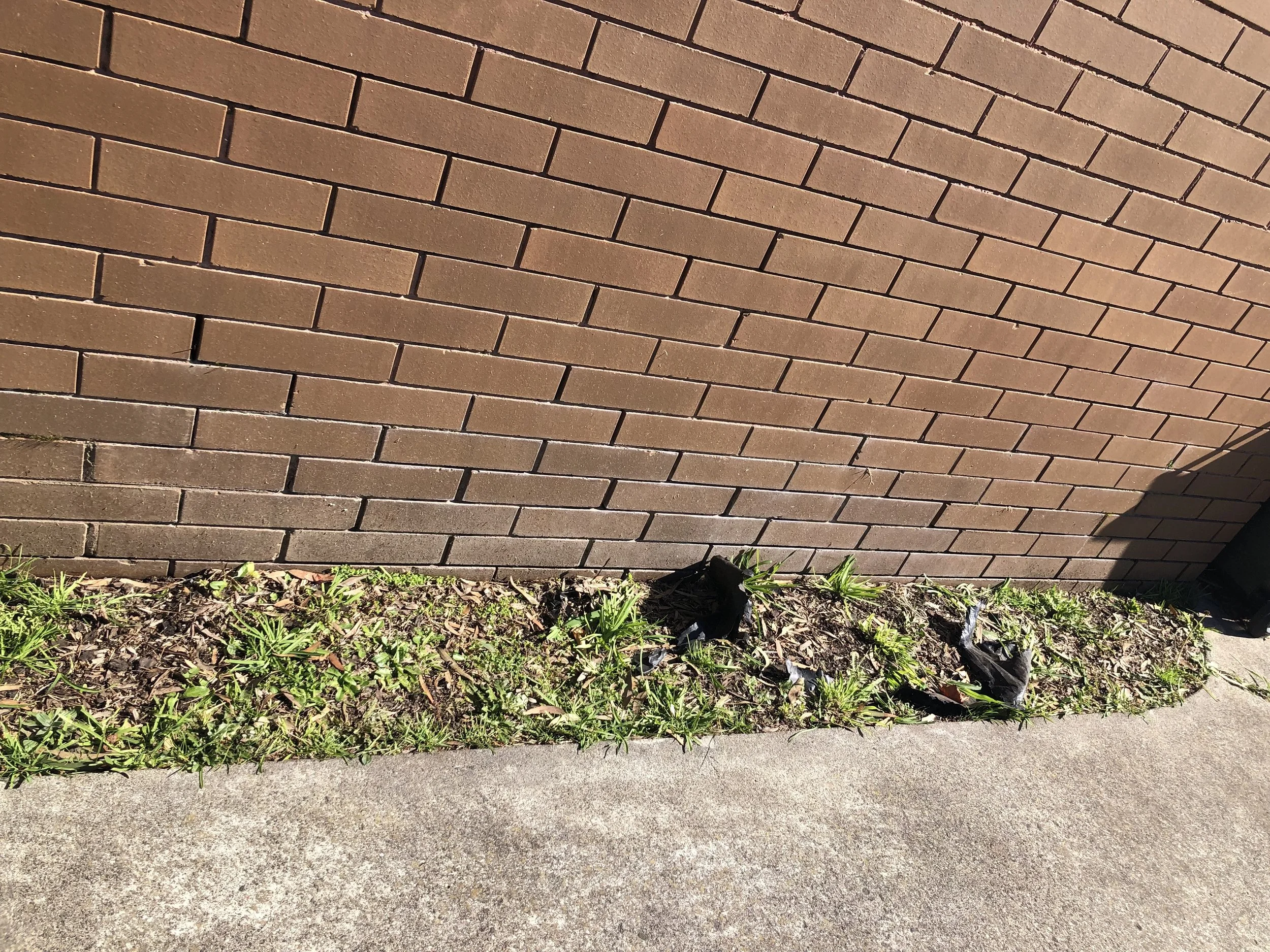
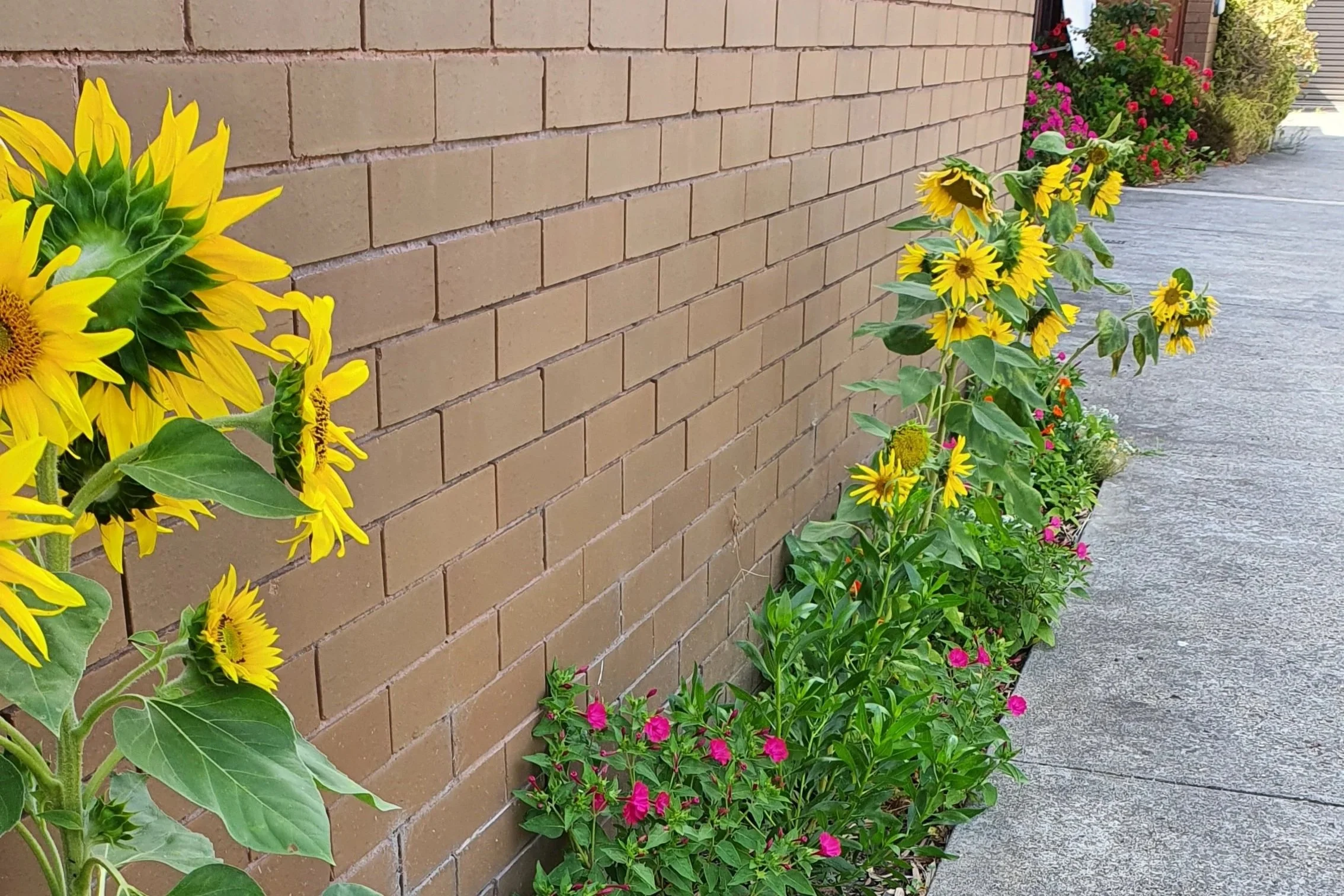
In the front of her unit, a narrow west-facing garden bed against a brick wall presented a challenge. We weeded, added a few native plants, and sowed seeds like sunflowers and nasturtiums to add colour. Some Sweet 4 O’Clocks self-seeded, and we decided to leave them for extra (free) colour and removing the spent blooms before they reseeded. Now, the front garden provides a cheery welcome along the driveway.
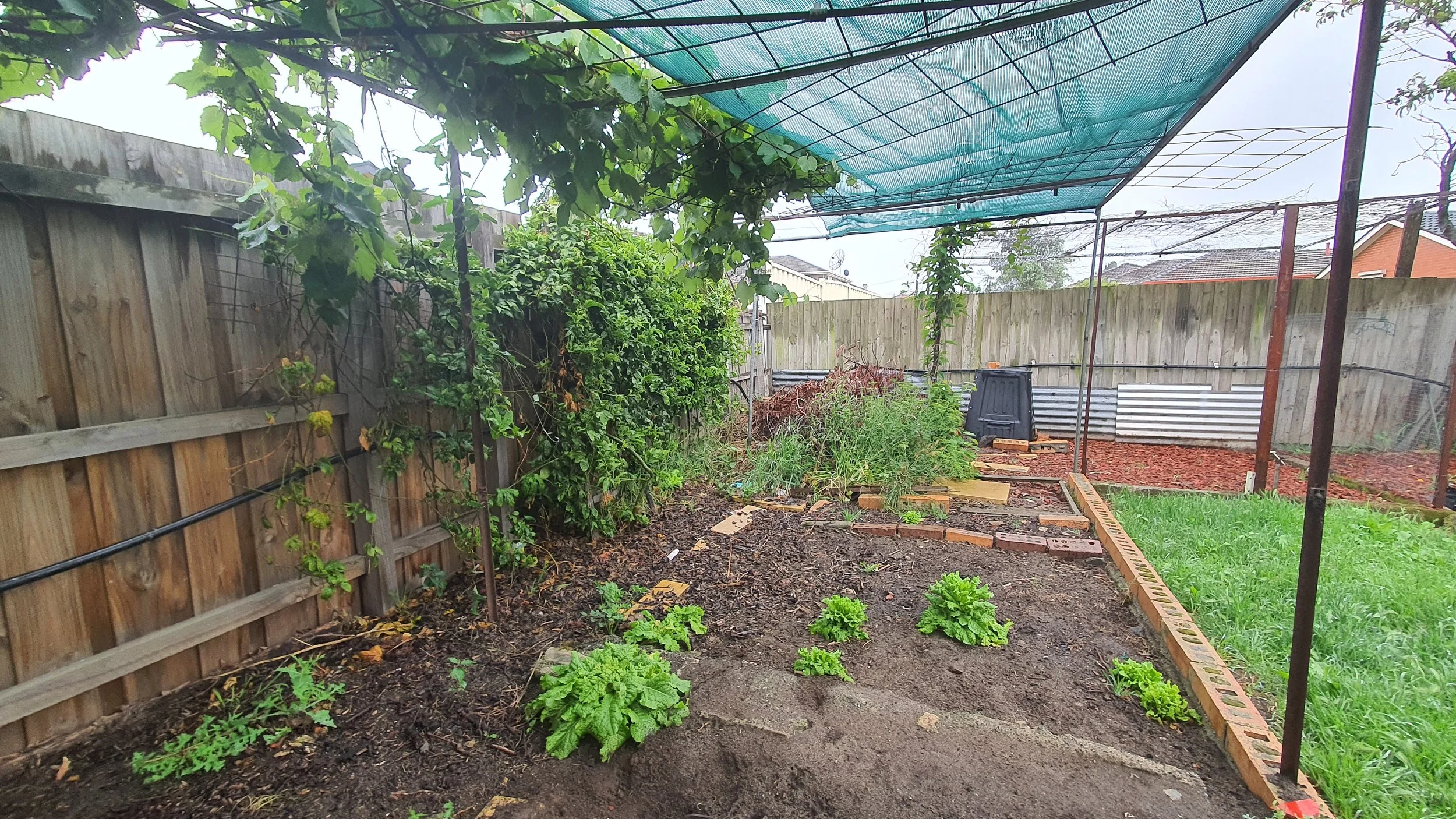
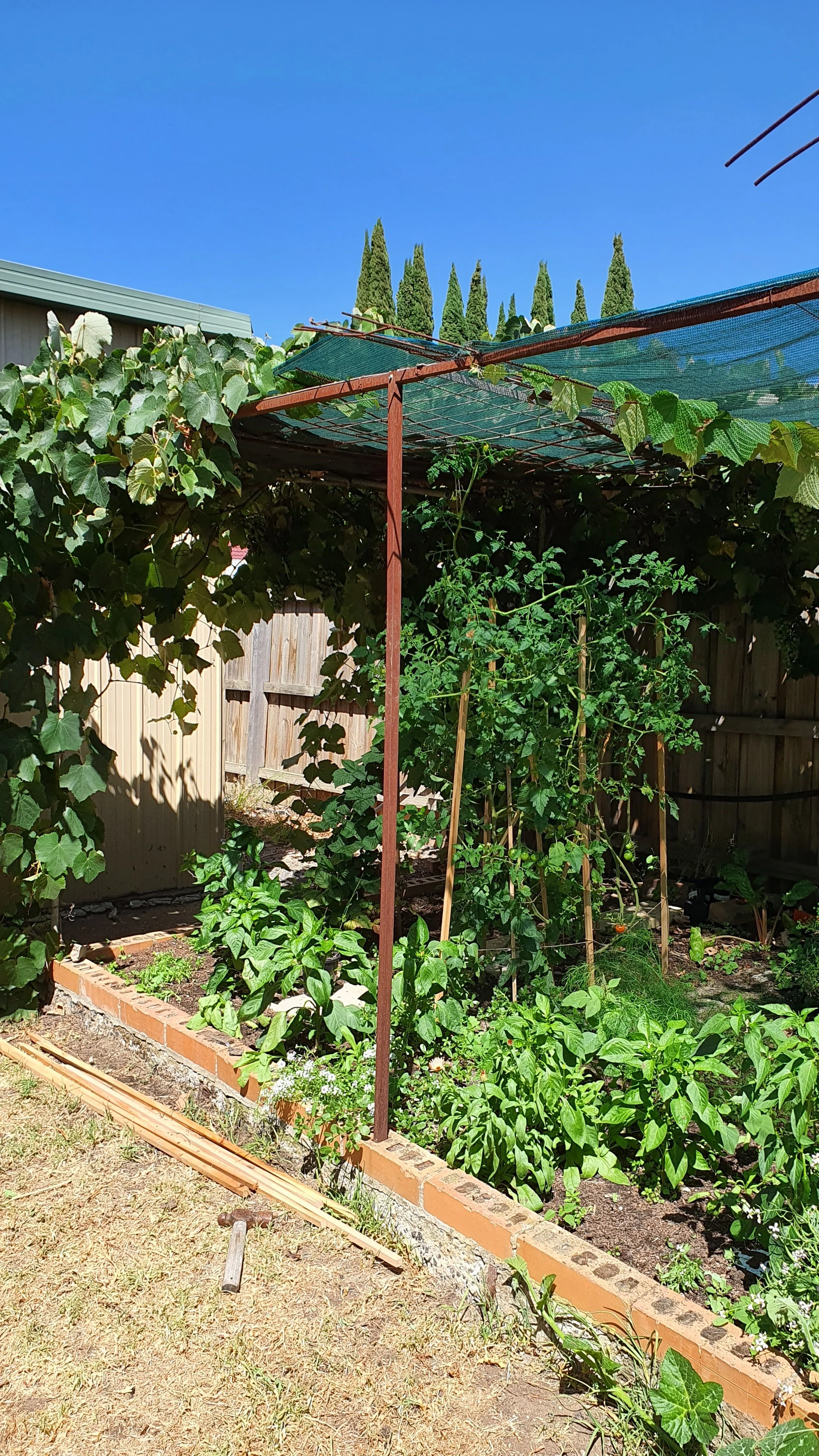
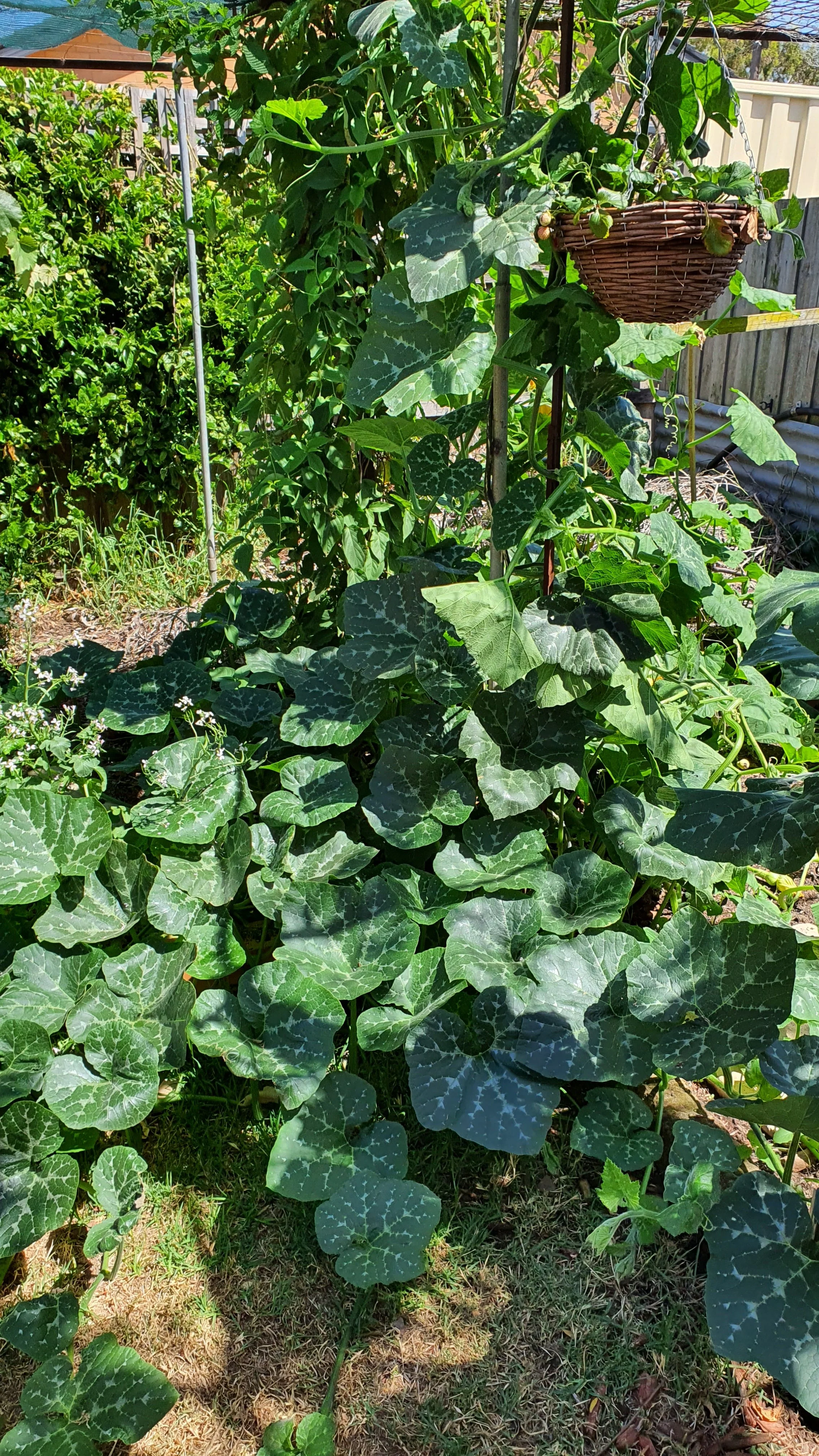
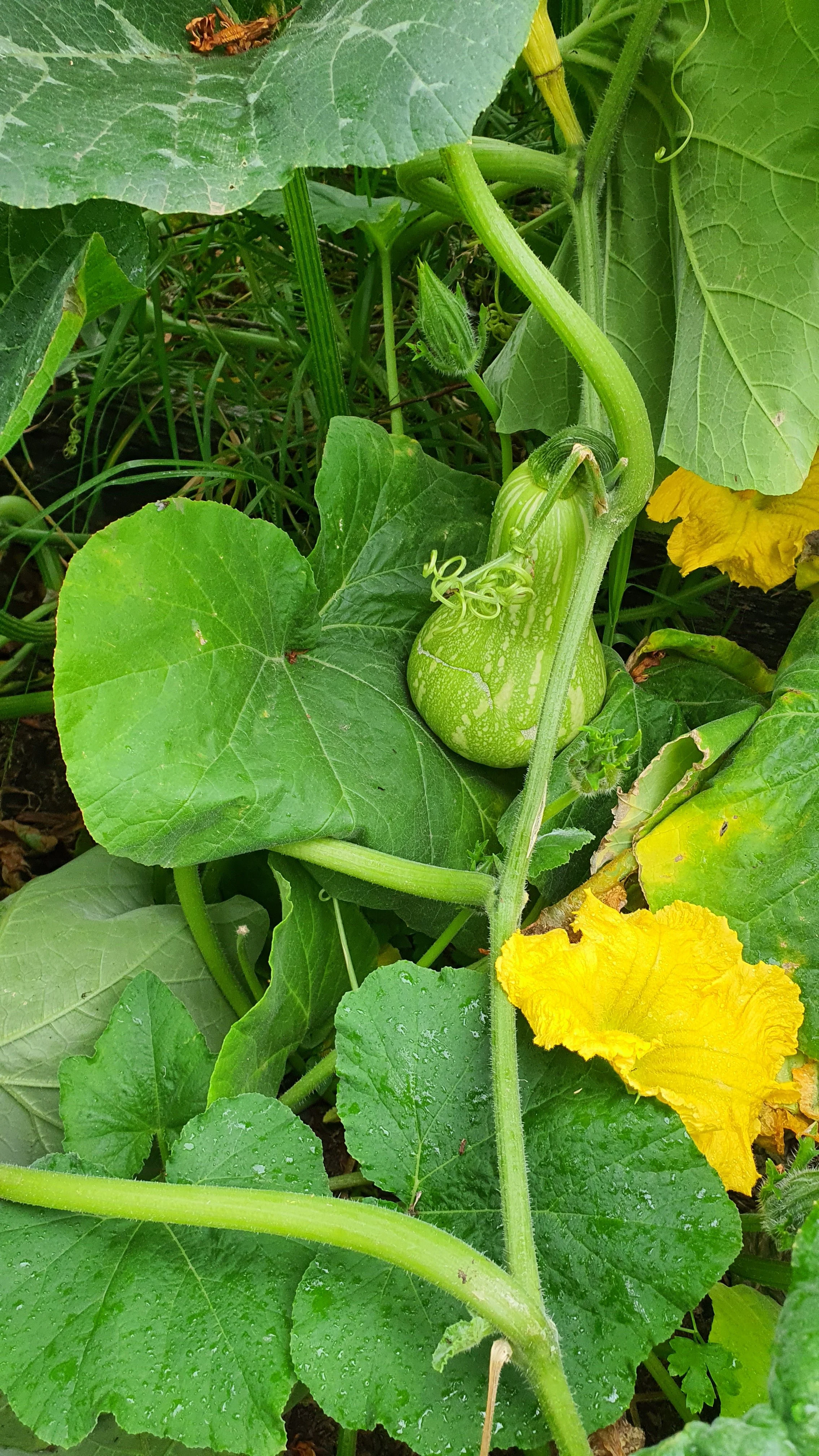
Another client had experience with growing plants, but required some help with planning, planting and maintaining her garden. Every week, we enjoy chatting about all sorts of things while we weed, prune and plan; pointing out interesting bugs or seedlings that have popped up. The backyard edible garden is bursting with produce (selected based on what she likes to cook). And the front yard is gently being returned to its former glory as a native garden for wildlife to enjoy (and which my client loves to paint).
What works for us
Whenever I start with a new client, we talk about their needs, preferences and communication styles. This includes things like sensory inputs – how their mind and body responds to temperature, smells, textures etc.
We create a low-pressure, comfortable environment by agreeing to the day’s tasks ahead of time or at the beginning of a session. This way, clients can ask questions or prepare things like tools or protective clothing so they’re not entering an totally unknown situation.
A common condition I encounter is orthostatic intolerance (conditions that cause dizziness or fainting when upright). In these instances, especially during summer, we have found a rhythm that works. I take on the standing tasks like shovelling and pruning, while they stay low to the ground for sowing and weeding. By removing the need to constantly switch between sitting and standing, we make the garden a safer place to be.
I provide opportunities for reflection and feedback. As well as 3-monthly reviews for NDIS clients, we make space in each session and afterwards to discuss how they’re feeling, how skills are progressing and if any extra accommodations need to be made. I enjoy the opportunity to creatively respond to challenges and come up with resourceful solutions.
Access to green space is a vital part of our well-being, yet so many barriers can get in the way. Everyone deserves the chance to grow their own food and connect with nature in a way that respects their body and their needs. If you or someone you know need a little help in your Melbourne-based garden, find out more about my co-gardening service here.