Plant of the month: Calamagrostis 'Karl Foerster'
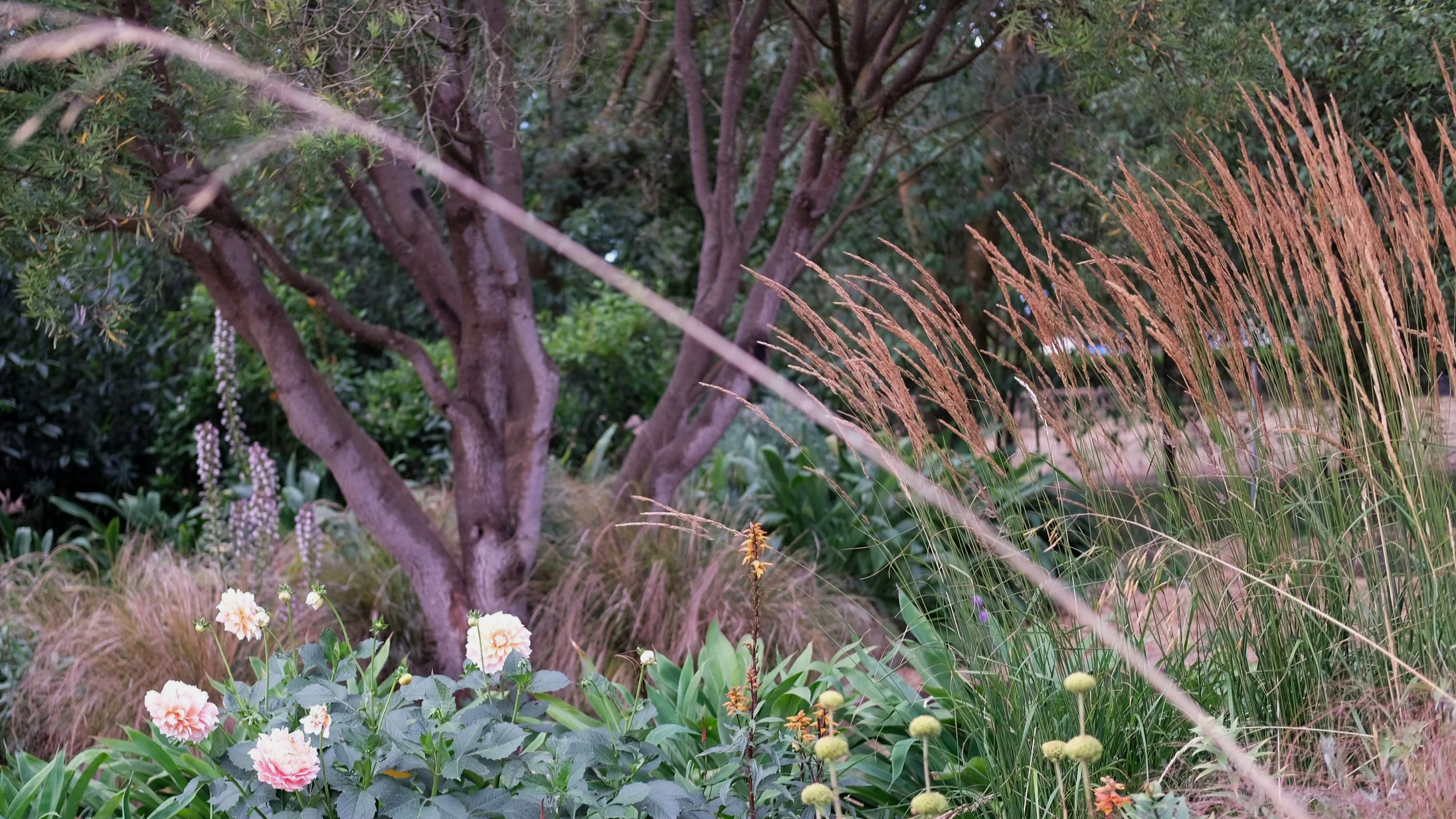
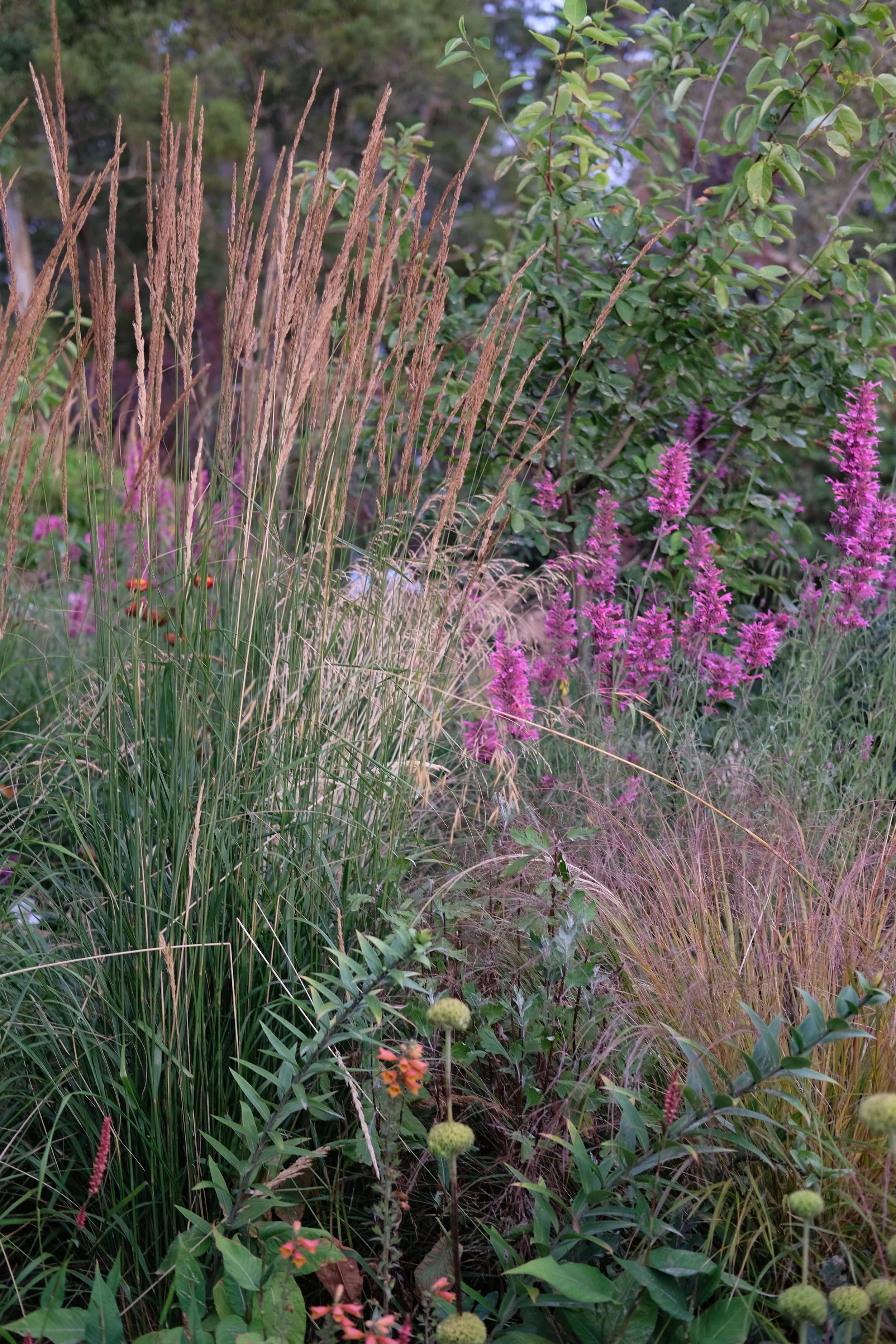
If you’ve spent any time admiring contemporary landscape design, chances are you’ve already encountered the upright silhouette of Calamagrostis ‘Karl Foerster’. I recently saw it at two open gardens and was reminded of its usefulness as a vertical structural element in naturalistic plantings.
Unlike many other grasses that can look a little unruly, this cultivar remains neatly clump-forming and strictly upright. As Michael McCoy often notes in his garden designs, it is the perfect plant for providing a sense of movement and transparency without sacrificing order. But beware, apparently dogs love to eat it, so best to plant out of their reach (it isn’t toxic to them). There’s also some evidence to suggest that it flowers best when it goes through a proper cold snap.
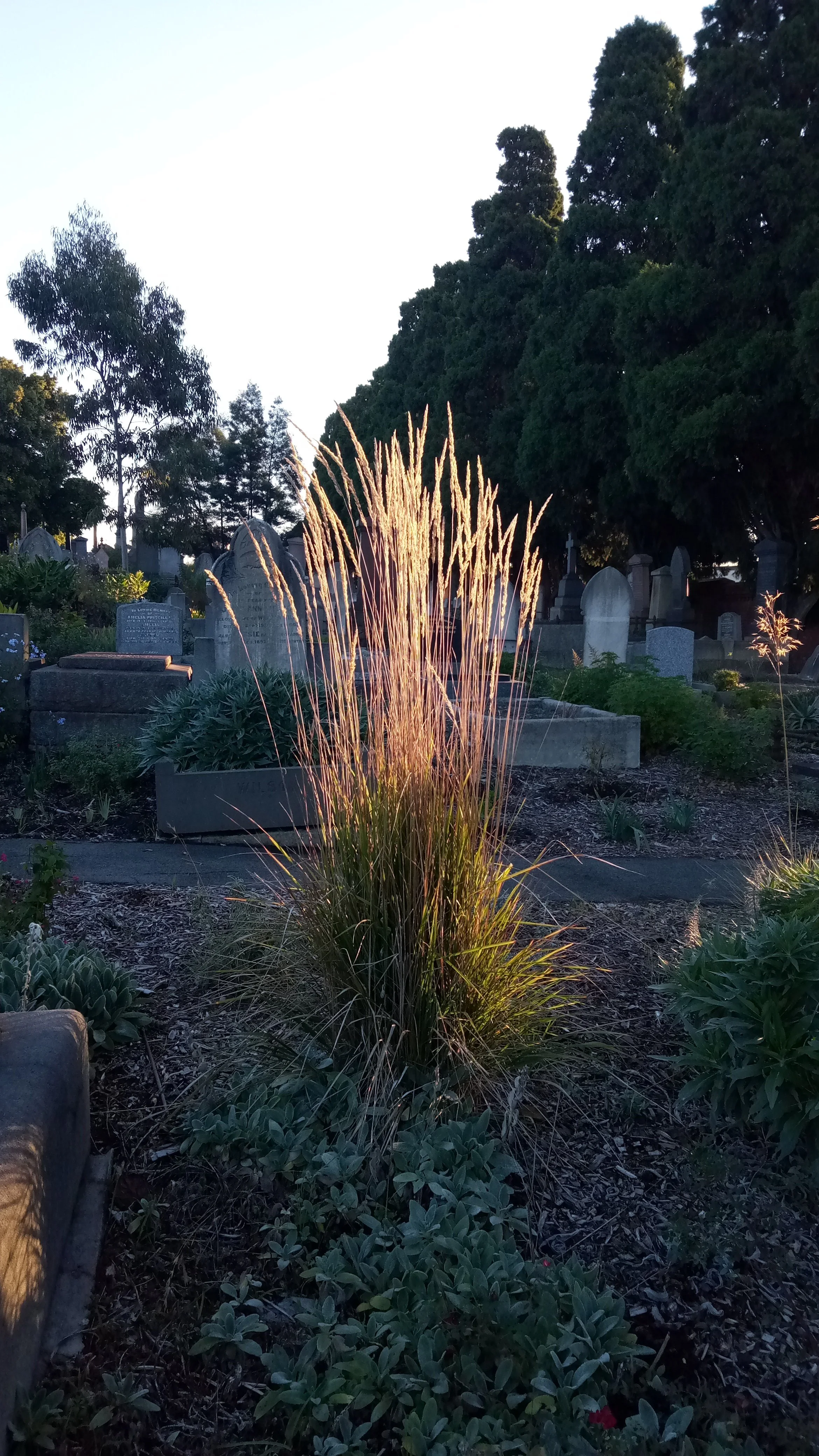
Whether you are looking to create a soft, swaying screen or simply want to add a touch of New Perennial style, feather reed grass is a reliable performer. It is particularly striking when backlit by the low afternoon sun, which catches the golden seed heads and makes them glow against a darker backdrop.

Plant info
Botanical name: Calamagrostis x acutiflora ‘Karl Foerster’
Common name: Feather reed grass
Family: Poaceae
Type: Deciduous perennial ornamental grass
Origin: A garden hybrid (parents native to Europe and Asia)
Height: 1.5–1.8m (when in flower)
Spread: 0.6–0.9m
Uses: Vertical accent, mass planting for screening, meadow-style gardens, large containers, and floral arrangements (fresh or dried).
Flowering time: Late spring through to summer, with seed heads persisting into winter.
Flowers: Slender, feathery plumes that emerge a bronzy-pink/purple before maturing into a narrow, wheat-coloured spike.
Growing notes
Light: Performs best in full sun. While it can tolerate very light dappled shade, too much shade will cause the stems to lose their legendary stiffness and flop over.
Water: Prefers consistent moisture but is surprisingly adaptable. Once established in a well-mulched garden, it can be quite drought-tolerant, though it will look its lush best with regular watering during dry spells.
Soil: Very versatile. It thrives in heavy clay soils—a rarity for many ornamental grasses—but will grow happily in most fertile, well-drained loams.
Care: This is a cool-season grass, meaning it starts growing early in the year. The most important maintenance task is to cut the entire plant back to a few centimetres above the ground in late winter (July or August in Australia). This clears the way for fresh, vibrant green growth.
Propagation: As ‘Karl Foerster’ is a sterile hybrid, it won't self-seed and become a weed. To create more plants, simply divide large clumps in early spring just as the new growth begins.