Plant of the month: Kumara plicatilis
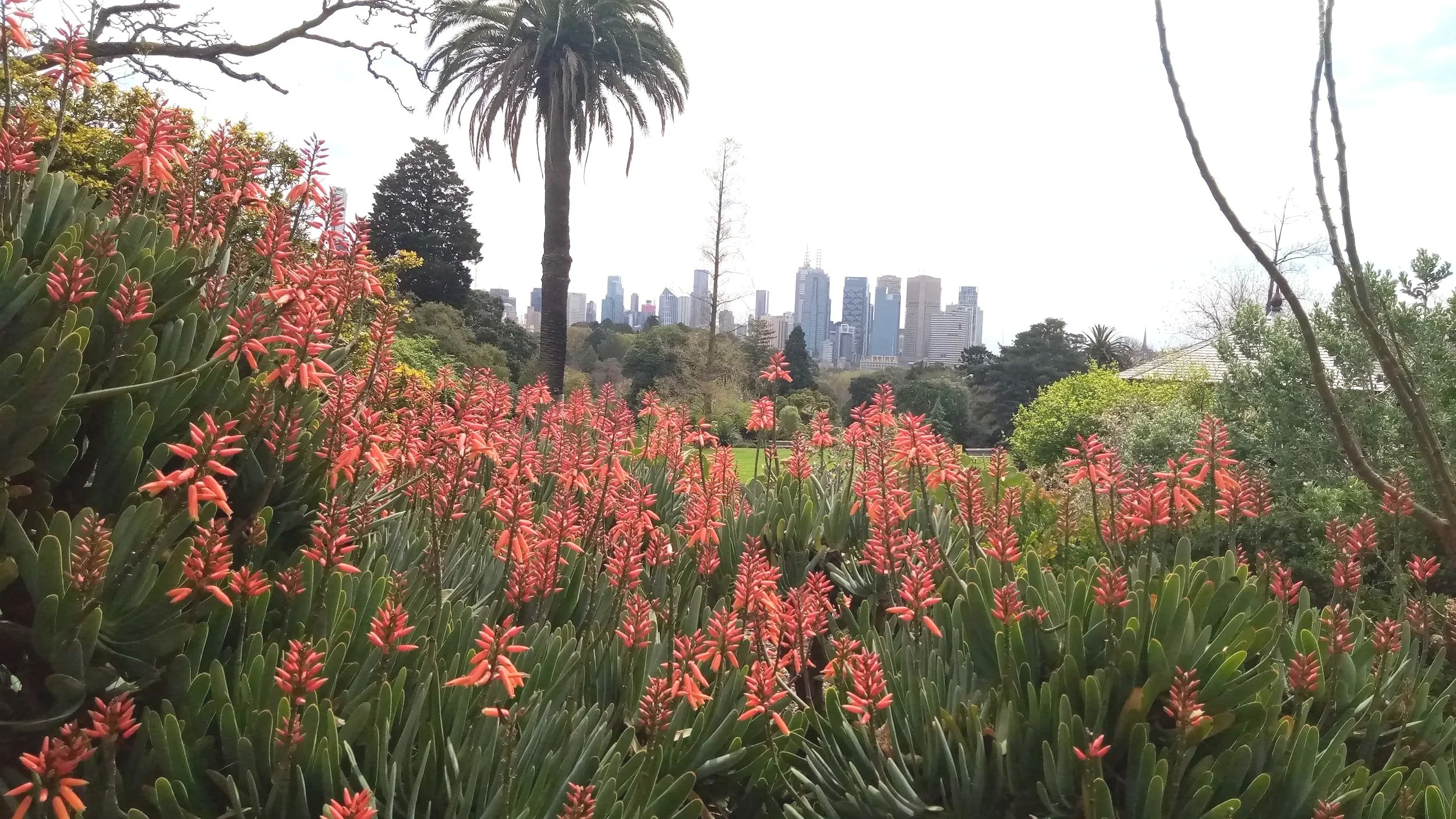
Kumara plicatilis at The Royal Botanic Gardens, Melbourne
The Fan Aloe is proof that a succulent can be every bit as striking as its cousins, but without the spikes. Formerly known as Aloe plicatilis, this low-maintenance South African beauty is well suited to Mediterranean climates.
Most aloes have serrated, tooth-edged leaves, and while that gives them plenty of character, it can also make them a danger in the garden. For gardeners managing proprioception, balance or vision differences, navigating around spiky foliage adds a layer of risk (I speak from experience, snagging my sleeves on clients’ rose bushes on a weekly basis). It's also worth thinking about if you have young children in the garden, since many spiky plants sit right at their eye or ear height. Kumara plicatilis sidesteps all of this. Its rounded, paddle-shaped leaves give you that prehistoric succulent look without a single thorn.
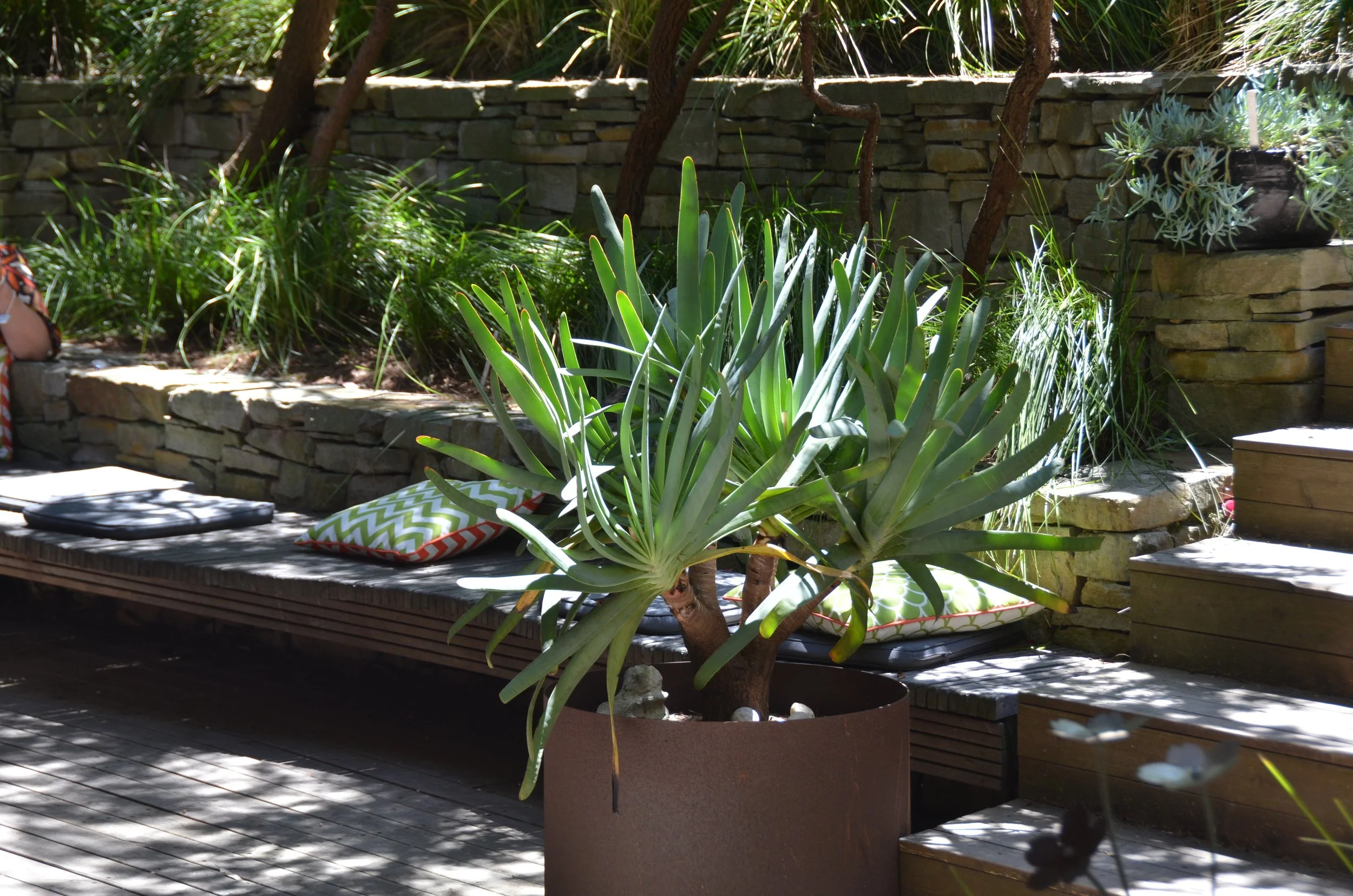
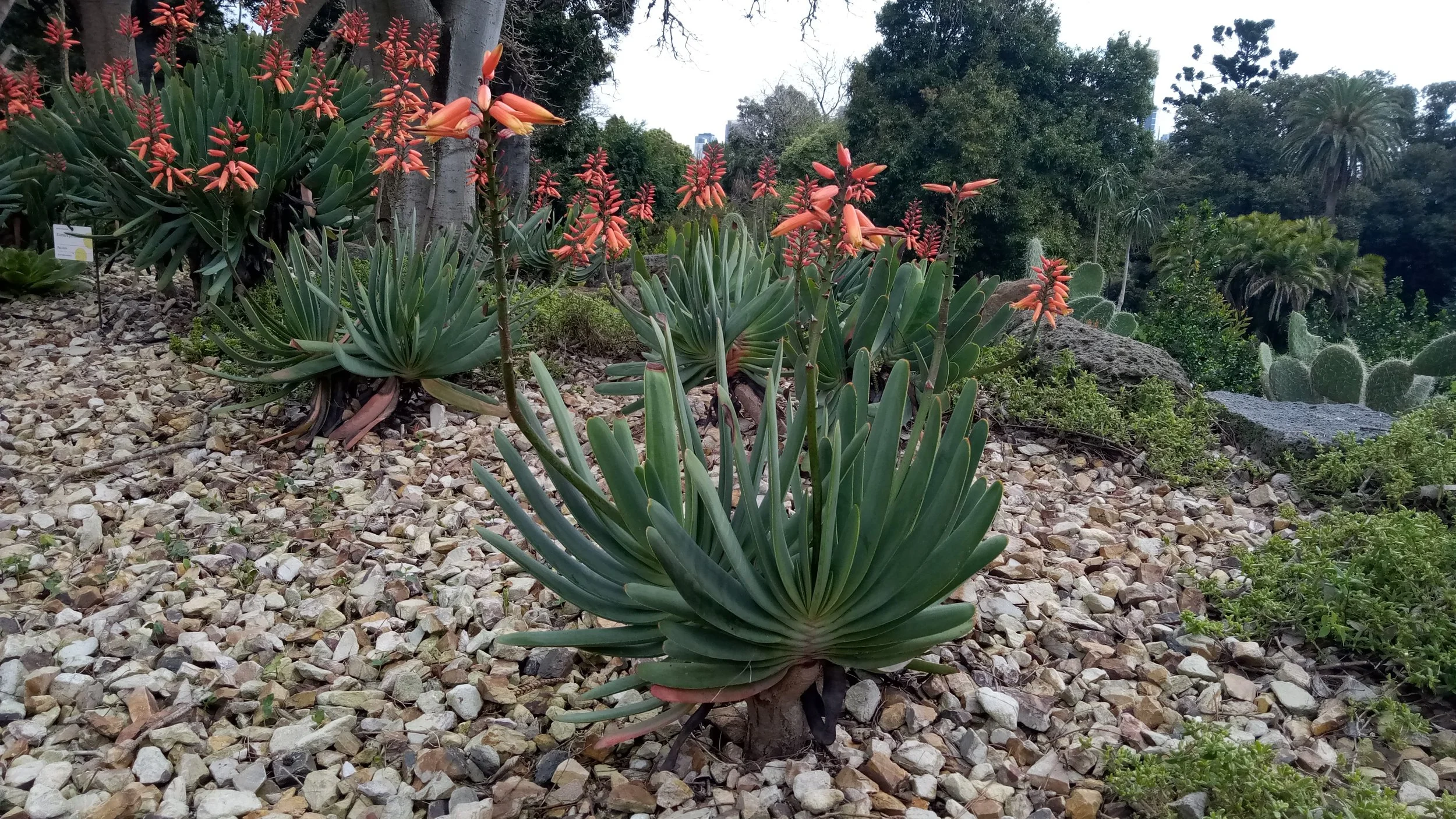
Unlike many succulents that form tight rosettes, this species produces distinct, fan-like clusters of blue-grey leaves. As it matures, it develops a sculptural, multi-branched trunk with beautiful corky bark, eventually resembling a giant, living bonsai.
In late winter when much of the garden is still in its slumber, Kumara plicatilis erupts with vibrant, red-orange flower spikes. These nectar-rich blooms are a magnet for honeyeaters and bees, bringing much-needed life and colour to the garden during the cooler months.
It's a slow grower, so a smaller specimen from a nursery will take a while to reach its full architectural presence. If patience is on your side, propagating from cuttings is a far more economical route than buying an established plant.
Whether used as a focal point in a succulent bed or as a sophisticated pot specimen, it is a plant of enduring structural elegance.
Plant info
Botanical name: Kumara plicatilis (formerly Aloe plicatilis)
Common name: Fan Aloe
Family: Asphodelaceae
Type: Succulent shrub or small tree
Origin: Western Cape, South Africa
Height: 1.5–2.5m in cultivation (can reach up to 5m in its natural habitat)
Spread: 1.2–2m
Uses: Architectural feature plant, coastal gardens, rockeries, large containers, and water-wise landscaping.
Flowering time: Late winter to early spring
Flowers: Erect, unbranched racemes (up to 50cm tall) bearing tubular, orange-red to scarlet flowers.
Growing notes
Light: Thrives in full sun to light shade. In cooler regions, full sun is essential to maintain a compact shape and encourage flowering. If moving a plant from a shaded spot to full sun, do so gradually to avoid leaf scorch.
Water: Moderate water requirements from spring through to autumn. It is vital to allow the soil or potting mix to dry out completely between waterings. In winter, reduce watering significantly as the plant is susceptible to root rot in cold, wet feet.
Soil: Requires well-drained soil with a slightly acidic to neutral pH. If your garden has heavy clay, it is best grown in a raised bed with added grit or in a high-quality succulent potting mix.
Care: Kumara plicatilis is a relatively slow grower and requires very little maintenance. No regular pruning is necessary, though you can remove old flower spikes once they have faded. Feed sparingly with a low-phosphorus or specialist succulent fertiliser during the spring growing season. It is moderately frost-tolerant once established but benefits from protection during severe frosts.
Propagation: Can be grown from seed, but the most common method is via stem cuttings. Take a cutting in late spring or summer, allow the base to callus over for several days in a cool, dry spot, and then pot into a very sandy, free-draining mix.