Plant of the month: Corymbia ficifolia
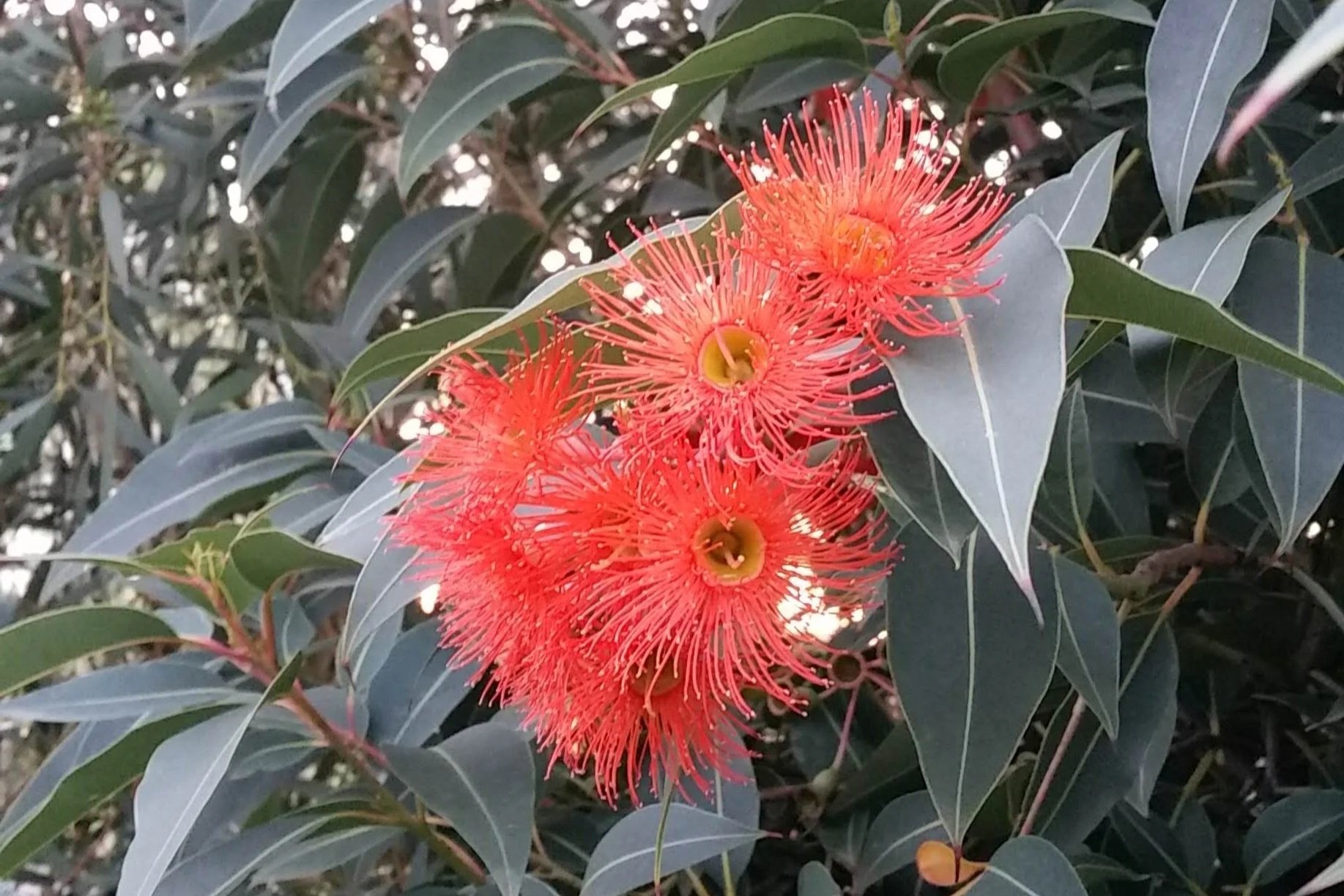
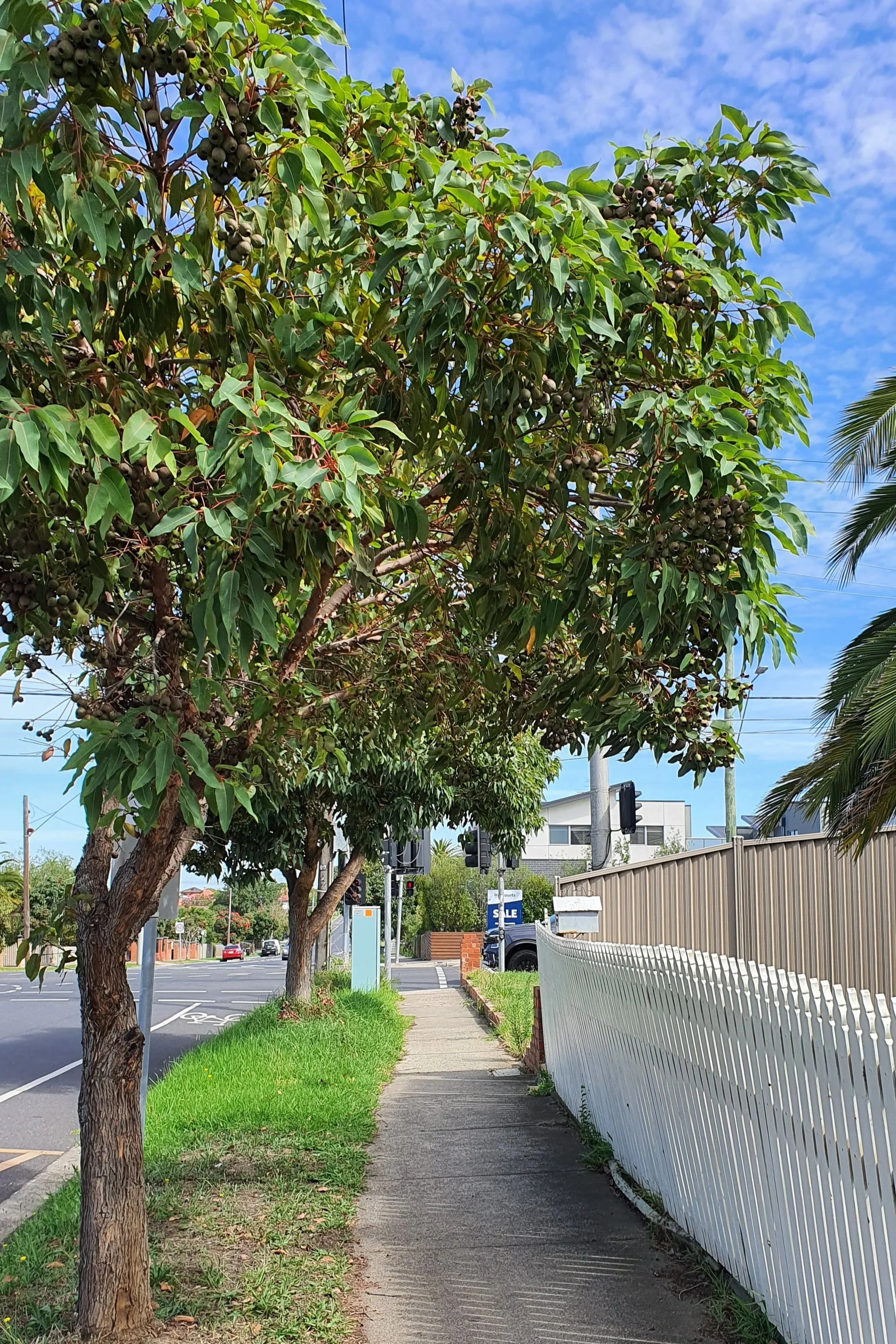
Corymbia ficifolia hails from a tiny corner of the south-west of Western Australia but has earned its place in gardens across the country. Unlike most other gums, it has a dense, rounded canopy and shorter stature (grafted cultivars) making it ideal as a street tree or feature for small gardens.
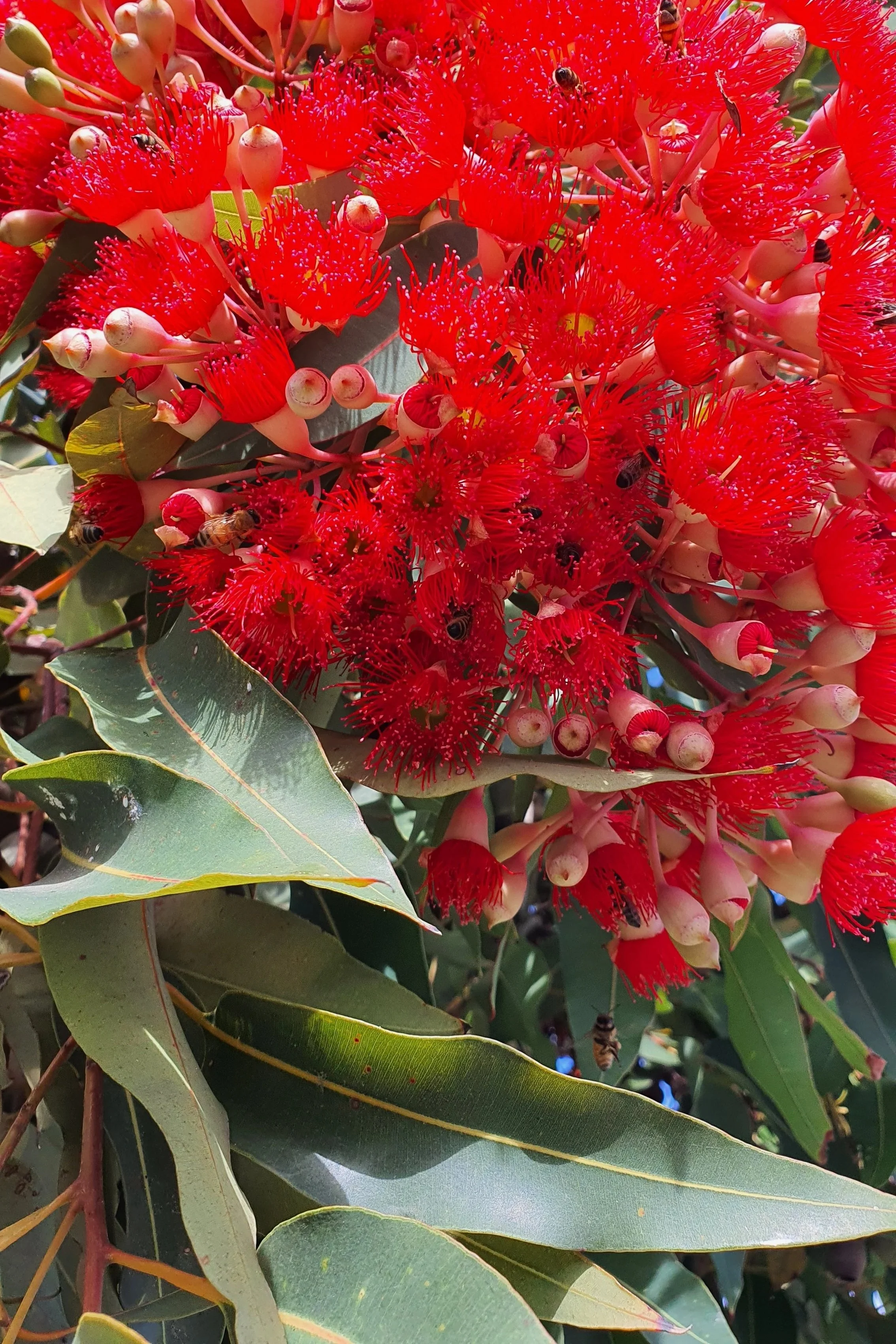
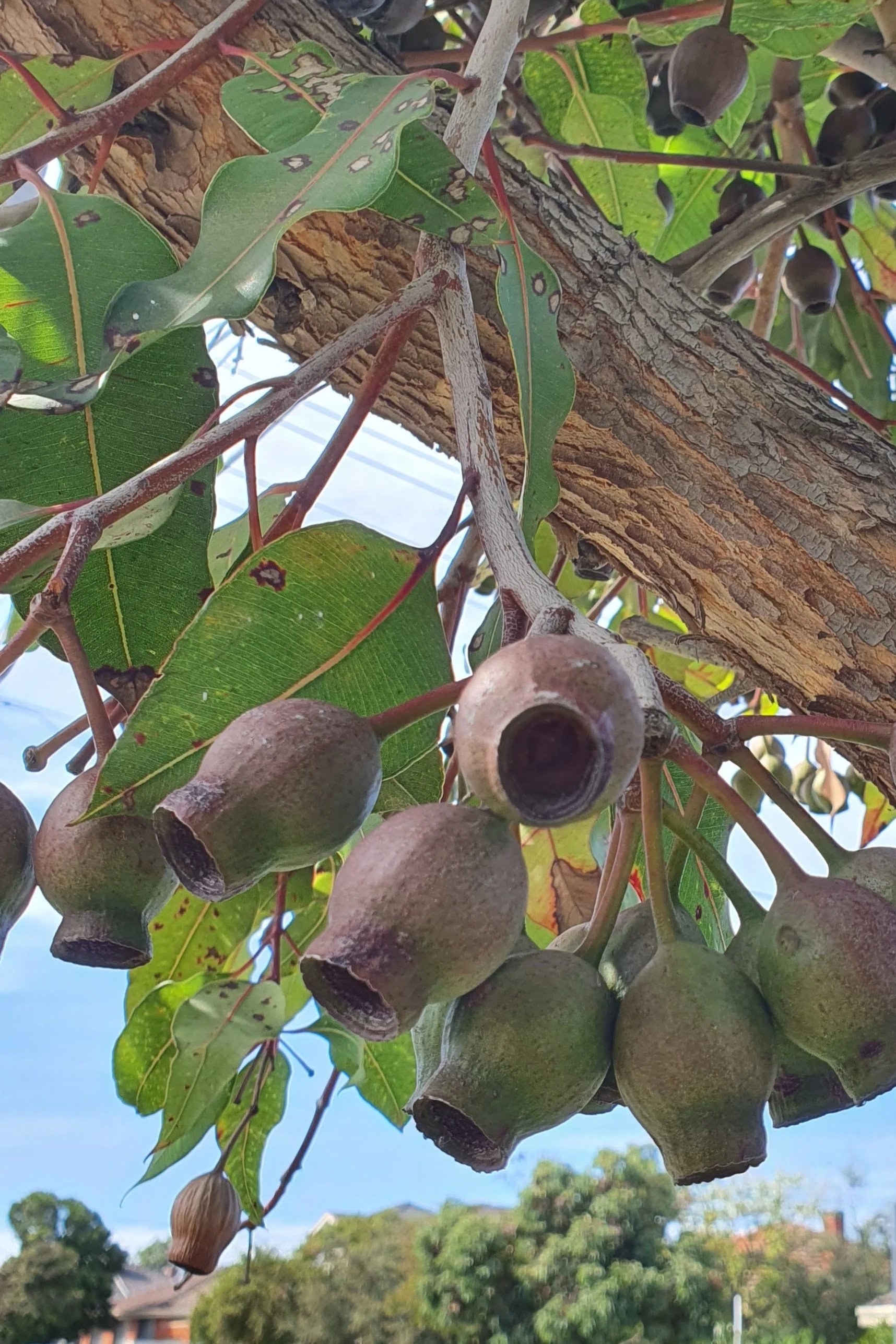
What makes this tree a true gem is the sheer intensity of its colour. Ranging from vivid red to burnt orange and even soft pink, the flowers are held in massive terminal clusters (corymbs) that form pom-poms on the outside of the foliage. During the height of summer, these blossoms are laden with nectar, providing a feast for lorikeets, honeyeaters, and bees. Once the flowers fade, they are replaced by large gumnuts which add further ornamental interest and are a favourite of cockatoos.
Plant info
Botanical name: Corymbia ficifolia (formerly Eucalyptus ficifolia)
Common names: Red Flowering Gum, Albany Red Flowering Gum
Family: Myrtaceae
Type: Evergreen small to medium tree
Origin: South-western Western Australia
Height: 6–10m (though grafted cultivars like 'Summer Red' may be smaller)
Spread: 3–8m
Uses: Feature tree, street tree, shade tree, and bird-attractor.
Flowering time: Summer to early autumn, though occasional sporadic flowering can occur.
Flowers: Large, dense clusters of stamens in shades of brilliant red, orange, or pink.
Growing notes
Light: Needs a position in full sun to produce the best flower display and maintain a healthy, dense canopy.
Water: Relatively drought-tolerant once established. It prefers a dry summer climate but will adapt to eastern states if provided with excellent drainage. Supplemental watering during extended dry spells in the first few years is beneficial.
Soil: Requires well-drained soil. It is particularly sensitive to wet feet and root rot. It performs best in sandy or gravelly loams; in heavy clay areas, planting on a mound or choosing a grafted specimen is highly recommended.
Care: Use a low-phosphorus, native-specific fertiliser in spring. Avoid heavy pruning; however, light tip-pruning after flowering can encourage a bushier habit.
Propagation: Traditionally grown from seed (though colour is variable). Be mindful that seed-grown trees can vary in flower colour and final height. Professional growers use grafting onto hardy rootstocks (like C. maculata) to ensure disease resistance, compact size and predictable flower colour.