Plant of the month: Agapanthus cultivars
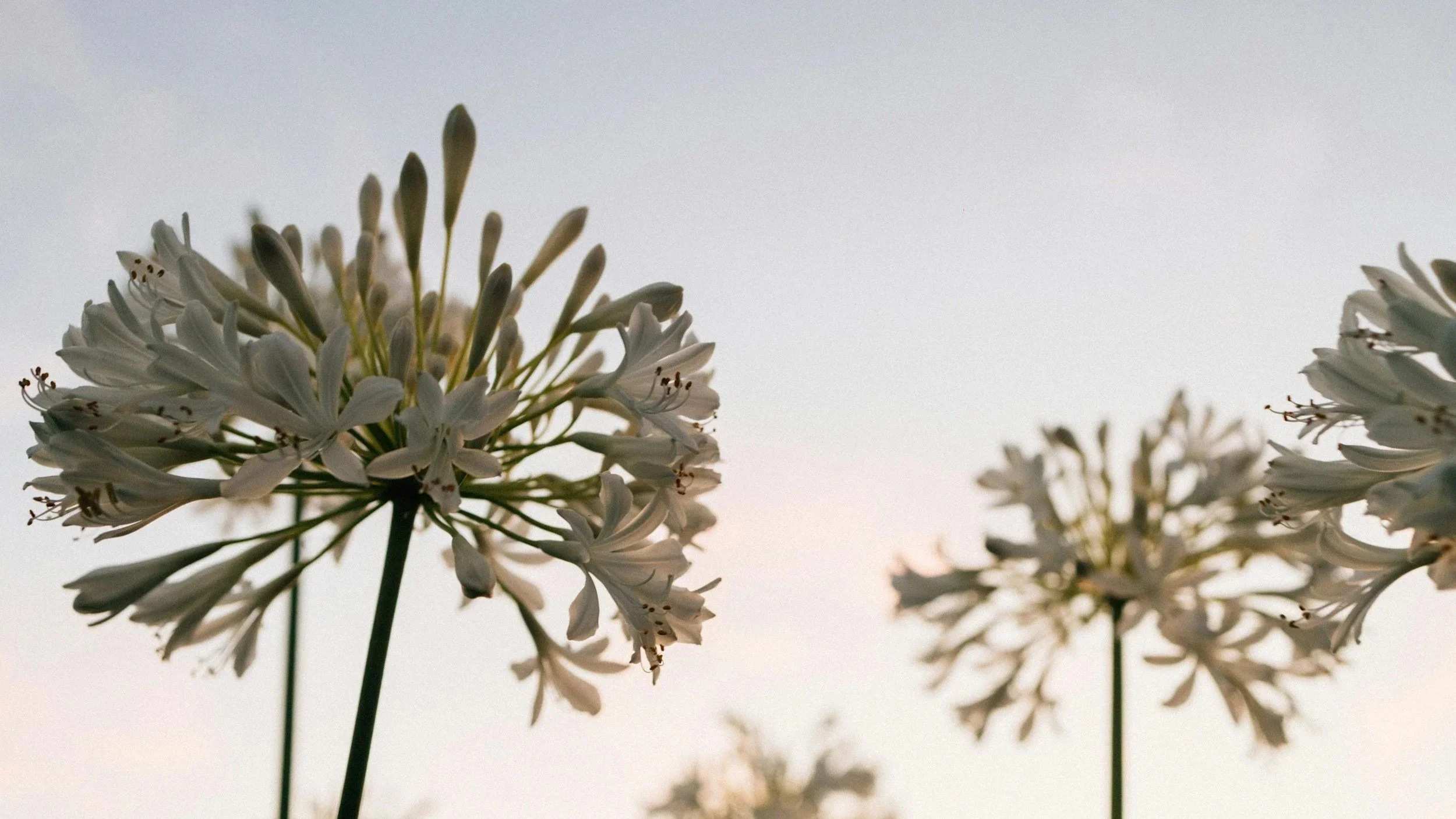
As we roll into April, a time of transition in the Australian garden, it’s the perfect moment to talk about a plant that is as divisive as it is dependable.
We’ve all seen these ubiquitous blue and white clumps lining driveways and nature strips, seemingly immortal and, in certain parts of country, a little too keen to settle where they aren't wanted. For years, the Aggie has been dismissed as boring, weedy, and a magnet for snails. If you’ve ever spent a weekend trying to heave a massive Agapanthus praecox clump out of the ground with a blunt spade, you’ve likely developed a hatred of it too.
As a South African, I’ll admit to a deep-seated loyalty toward this plant. Back home, they are celebrated for their architectural form and their ability to thrive where not much else can. But here in Australia, the old-school species has rightly earned a bad reputation. Thankfully, we now get the best of both worlds, as modern breeding has created a new generation of sterile, non-invasive cultivars. These modern selections offer the traits we value (drought tolerance, fire retardance, and architectural flower spikes) without the risk of them escaping the garden and wreaking havoc in bushland and along waterways. By choosing the right cultivar, we can finally enjoy this plant with a clear environmental conscience.
Plant info
Botanical name: Agapanthus sterile cultivars (e.g. ‘Queen Mum’, ‘Cloudy Days’, or ‘Baby Pete’)
Common names: Agapanthus, Lily of the Nile, African Lily
Family: Amaryllidaceae
Type: Herbaceous perennial (Evergreen and Deciduous varieties)
Origin: South Africa
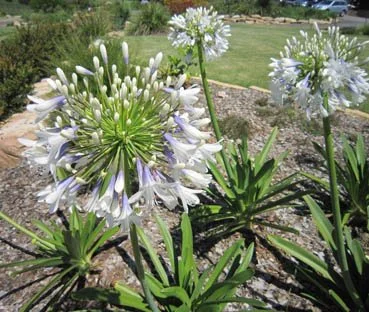
Height: 20cm (dwarf) to 1.5m (giant) depending on cultivar
Spread: 30cm to 1m
Uses: Borders, mass planting, fire-retardant barriers, erosion control, coastal gardens, and pots. If planting in a pot, a smaller pot will actually improve growth.
Flowering time: Primarily late spring to summer, with some cultivars spot-flowering in autumn.
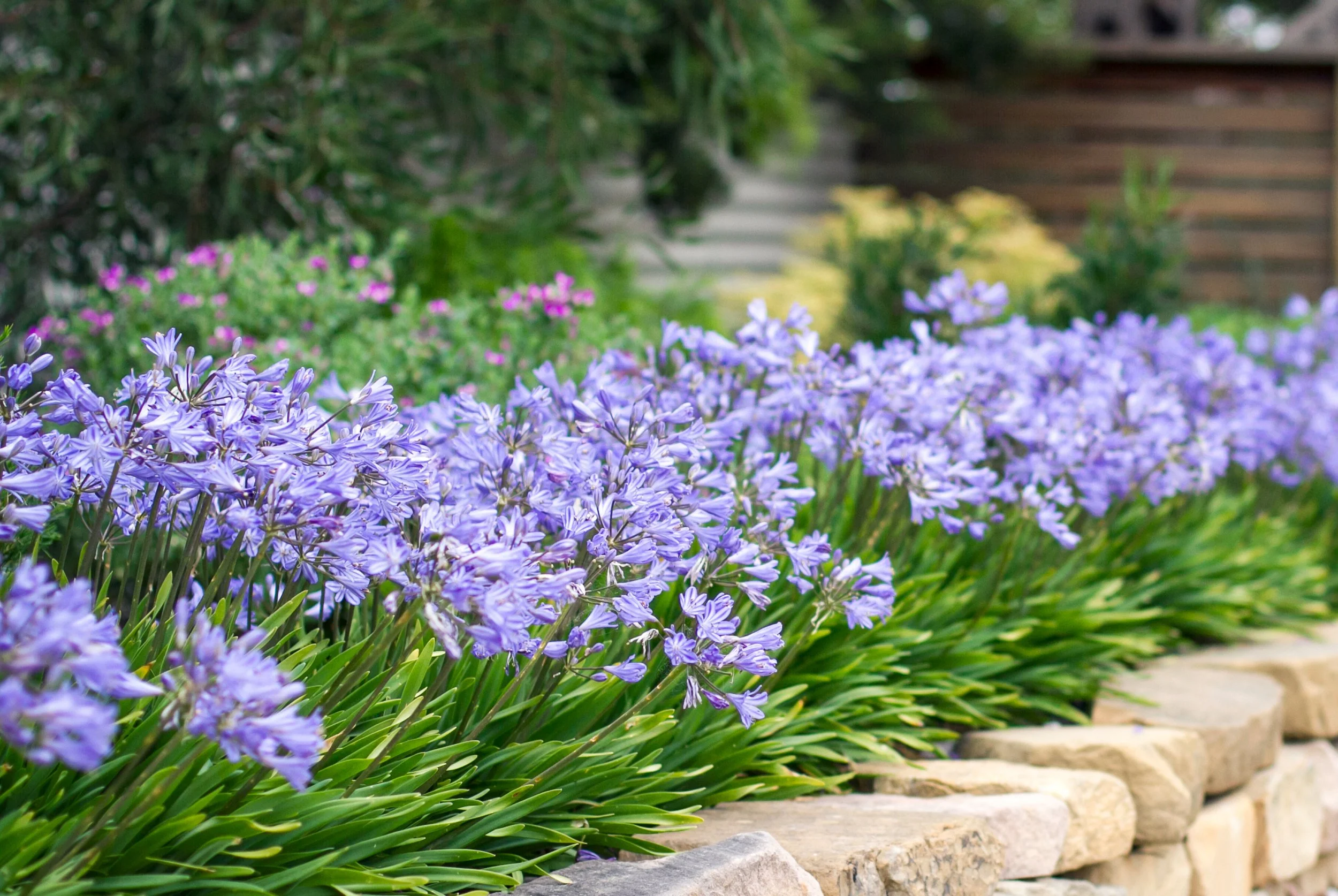
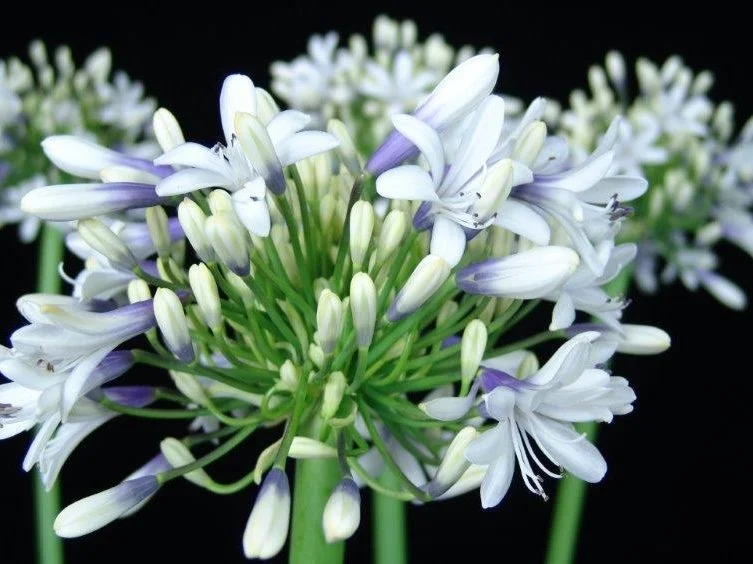
Flowers: Large, globe-like umbels consisting of many small, bell-shaped flowers in shades of deep violet, sky blue, bicolour, or pure white.
Warnings: Leaves, sap, and rhizomes are poisonous to humans and pets if ingested.
Growing notes
Light: For the best flower show, plant in full sun (at least 6 hours a day). While they will grow in part shade, you’ll find the flower count drops and the stems may stretch towards the light.
Water: Extremely drought-hardy once established thanks to their fleshy, water-storing rhizomes. However, for a lush look and better blooming, provide regular deep watering during their summer growth spurt. Reduce watering significantly during winter.
Soil: Incredibly adaptable. They will survive in poor, sandy soils or heavy clay, but they truly thrive in well-drained soil enriched with organic matter. If planting in heavy clay, you can mound the soil to ensure the crown doesn't sit in water during wet winters.
Care: Apply a balanced, slow-release fertiliser in early spring. Avoid high-nitrogen feeds which encourage leaves at the expense of flowers. Even with sterile cultivars, removing spent flower stalks at the base keeps the plant looking tidy and redirects energy back into the clump. Every 4–5 years, clumps can become congested. Dig them up and divide them with a sharp spade in autumn or late winter to rejuvenate the plant.
Propagation: While species plants grow readily from seed (hence the weed risk), these sterile cultivars should be propagated by division. Simply slice a large clump into smaller sections, ensuring each has a healthy piece of rhizome and a few leaves, and replant immediately.