How to Control Weeds Sustainably
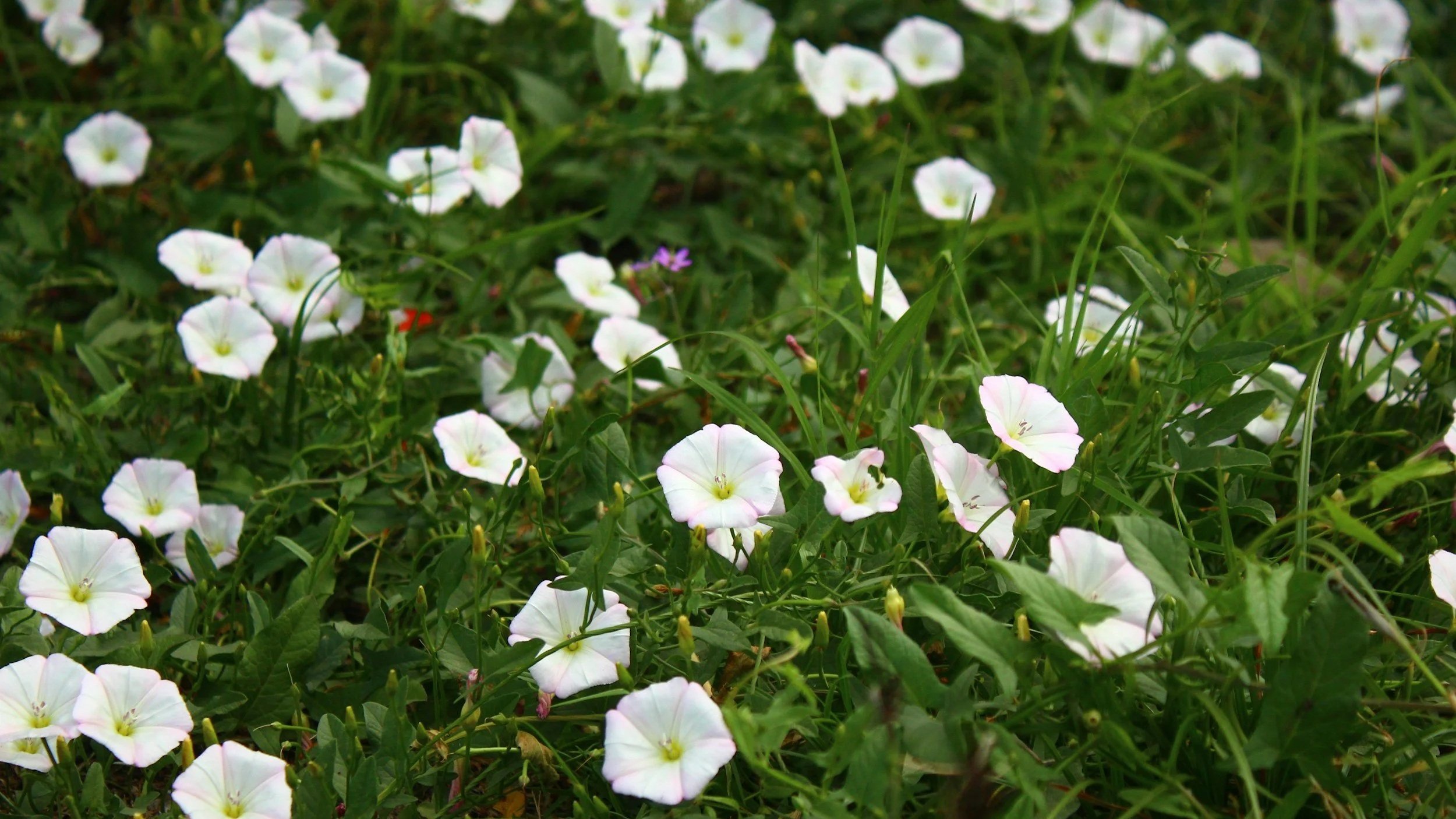
Bindweed
The days of reaching for a chemical spray every time a weed pops up are thankfully fading. We now know the damage those products can cause to fauna, our soil and our waterways. Glyphosate, one of the most common herbicides, has been linked to cancer and shown to harm pollinators. And when toxins leach into the water system, it affects all of us.
So, what’s the alternative? Hand-weeding is a great start, and I love it because it forces you to really get down into the garden and observe what’s happening. But for larger spaces or if you have mobility constraints, hand-weeding can be a real chore. The good news is that there are plenty of natural ways to tackle weeds without reaching for chemicals.
1. Let them be
Many weeds have been used in traditional medicine, for food, and as natural soil improvers for centuries. They can also provide food and shelter for insects to improve biodiversity. The trick is balance, so if they’re not invasive, aim to edit rather than eradicate. For example, if you have a patch of nettles, consider containing them and adding them to compost, or using them to make weed tea.
If you’re not sure of a weed’s status, look it up in your local state’s agriculture website (for Victoria, that’s Agriculture Victoria).
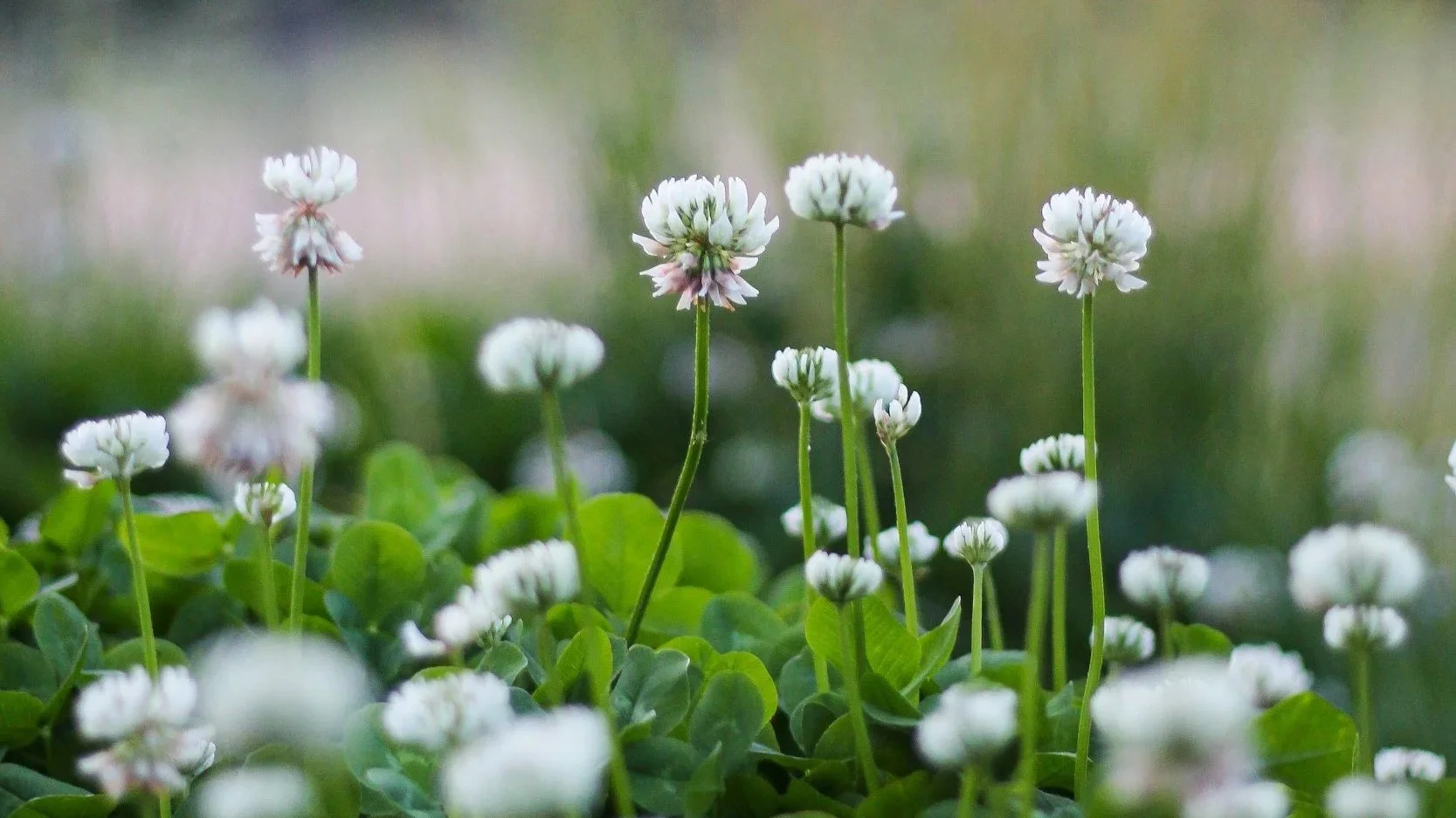
Clover is a favourite ‘weed’ of mine as it provides food for bees and fixes nitrogen in the soil.
2. Plant groundcovers
For a long-term solution, plant vigorous groundcovers to outcompete weeds. Plants like creeping thyme, dichondra and myoporum spread quickly, shade the soil, and leave little room for weeds to thrive. Make sure to choose a groundcover suitable for the level of light the area receives. You’ll get much better coverage with the right plant in the right place.
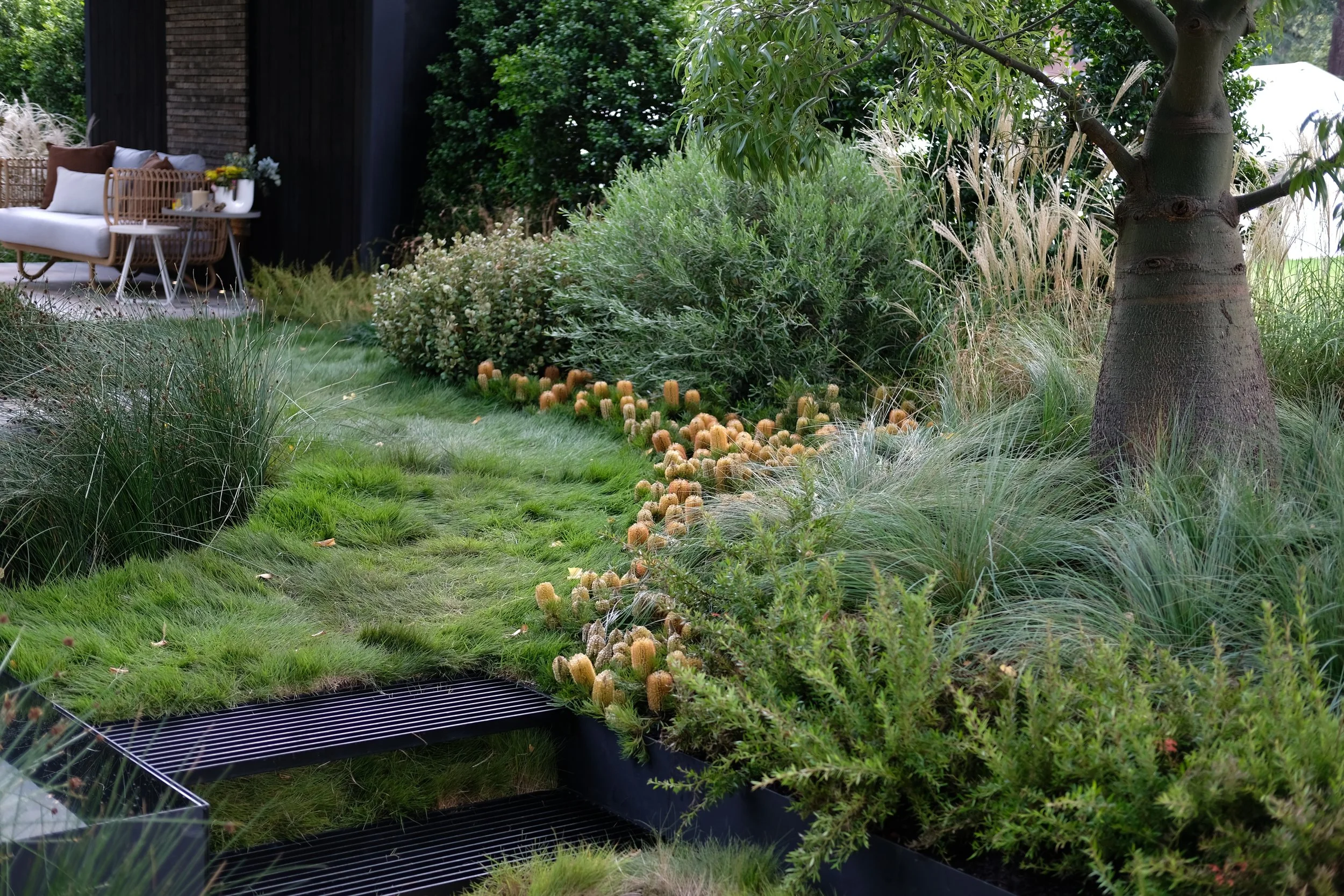
Native groundcovers covering every inch of soil to suppress weeds
3. Smother them
Depriving weeds of light is a simple, sustainable tactic. Lay down cardboard (remove tape and staples first) or a thick layer of organic mulch such as compost, wood chips, jute mats or natural wool. Covering bare soil over winter when weeds are dormant is especially effective.
This is also a great first step when creating a no-dig garden. Simply add a few more layers and you’ve got the lasanga method.
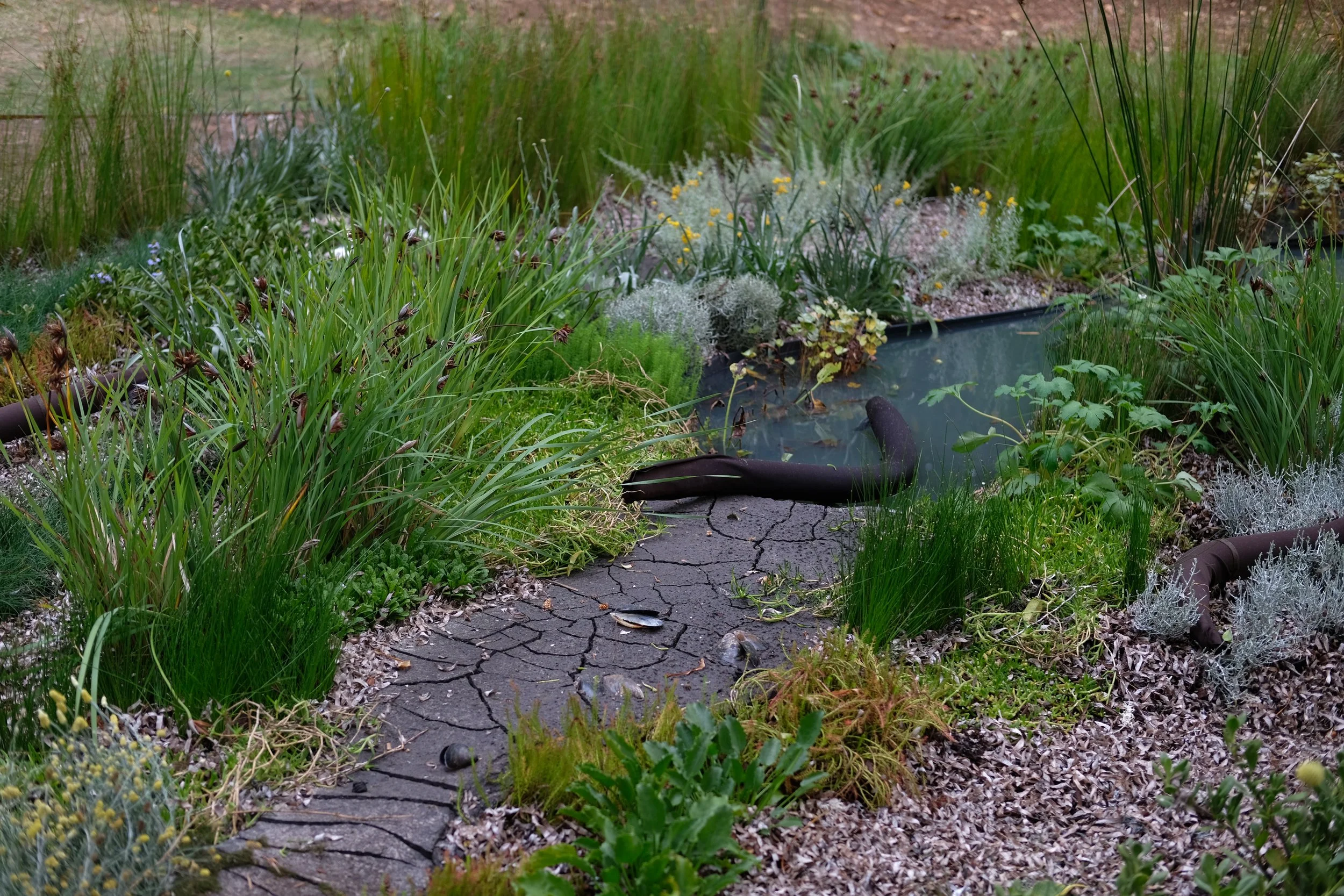
Natural mulch covering bare soil
4. Install root barriers
Edging garden beds helps stop weeds creeping in from lawns. For aggressive spreaders like bamboo or couch grass, root barriers can save you a lot of grief. Choose durable metal edging rather than plastic. My go-to is ShapeScaper.
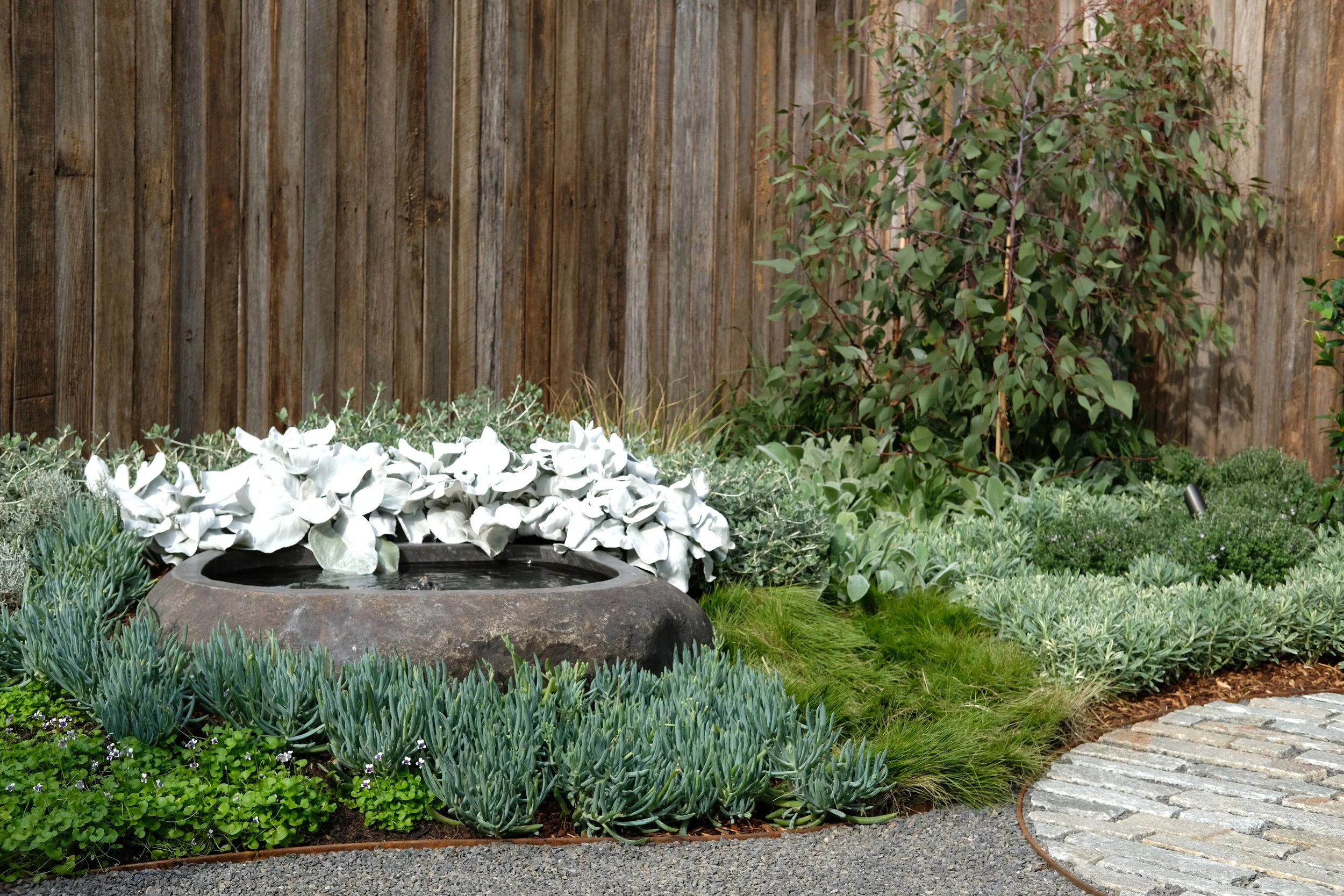
Cor-Ten steel edging separating garden beds and paving
5. DIY Weed Spray
For paths and paving cracks, fill a spray bottle with white vinegar, add two cups of table salt and a quarter cup of dishwashing liquid. The vinegar and salt dry out the weeds, while the soap helps the mix stick and break through the leaf’s waxy coating.
Important: Never use on garden beds or veggie patches. Salt lingers in soil and can harm future growth.
6. Boiling Water
Whenever you’ve got leftover boiling water in the kettle, pour it straight onto weeds in your driveway or between pavers. As with the method above, avoid garden beds as hot water will damage the plants you want to keep.
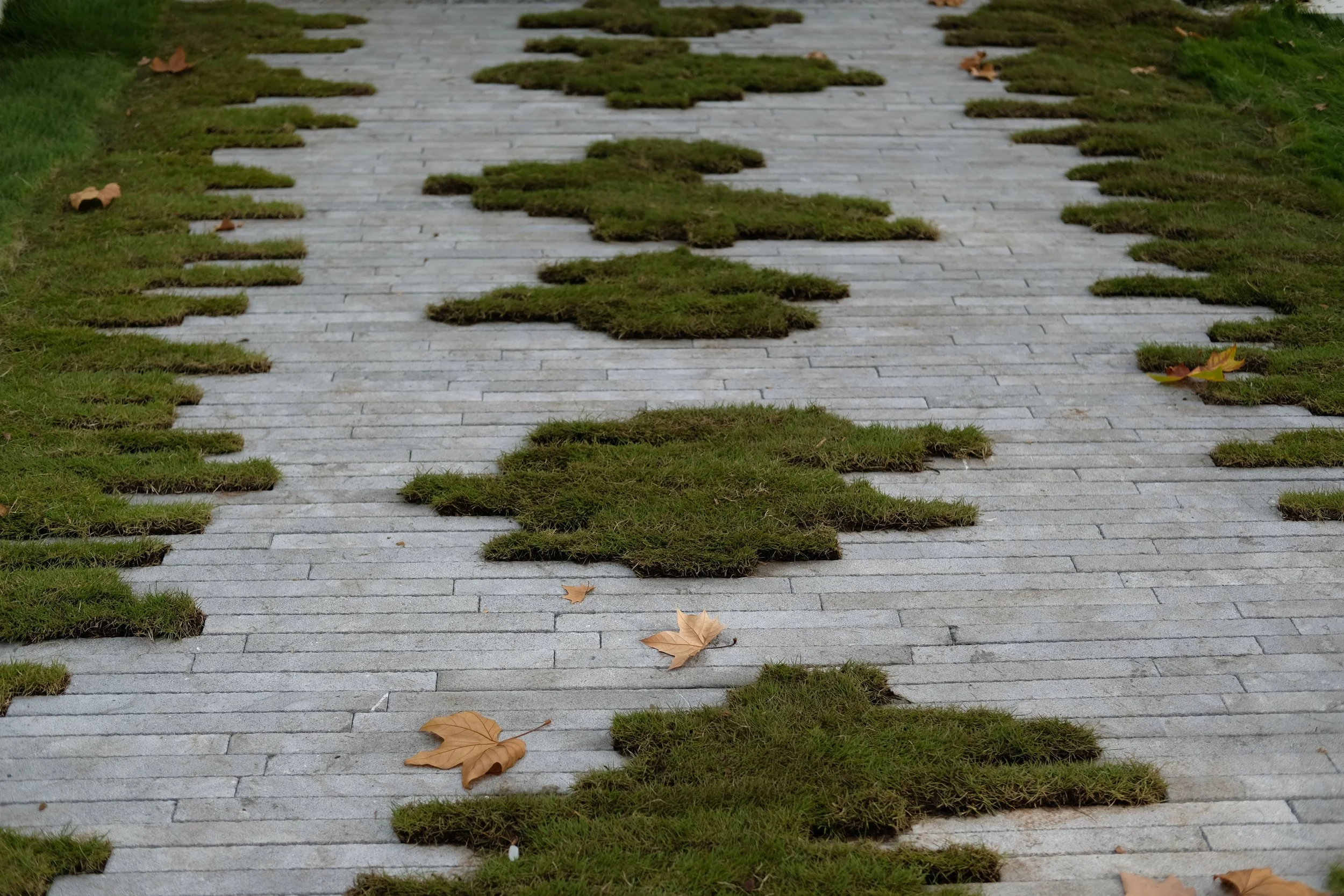
Use DIY weed spray and boiling water on paths and paving only

7. Animal Control
If you’ve got a big, overgrown patch and want a total clear-out, hire a herd of goats. They’ll happily munch through brambles, nettles, and thistles. For smaller areas, guinea pigs are effective at munching through herbaceous (non-woody) weeds. It’s eco-friendly, fun, and a great way to avoid noisy, fume-spewing tools.
Here are some companies providing this service:
NSW:
VIC:
8. Regular Mowing
For perennial weeds like bindweed, persistence pays off. Regular mowing or strimming before they set seed will weaken them over time. Combine that with careful hand-pulling, getting as much root as possible, to be most effective. If weeds have already gone to seed, carefully remove them and bag up immediately before mowing or hand-pulling.

Carefully chop off seedheads before removing the rest of the plant to reduce dispersal