Plant of the month: Adenanthos sericeus
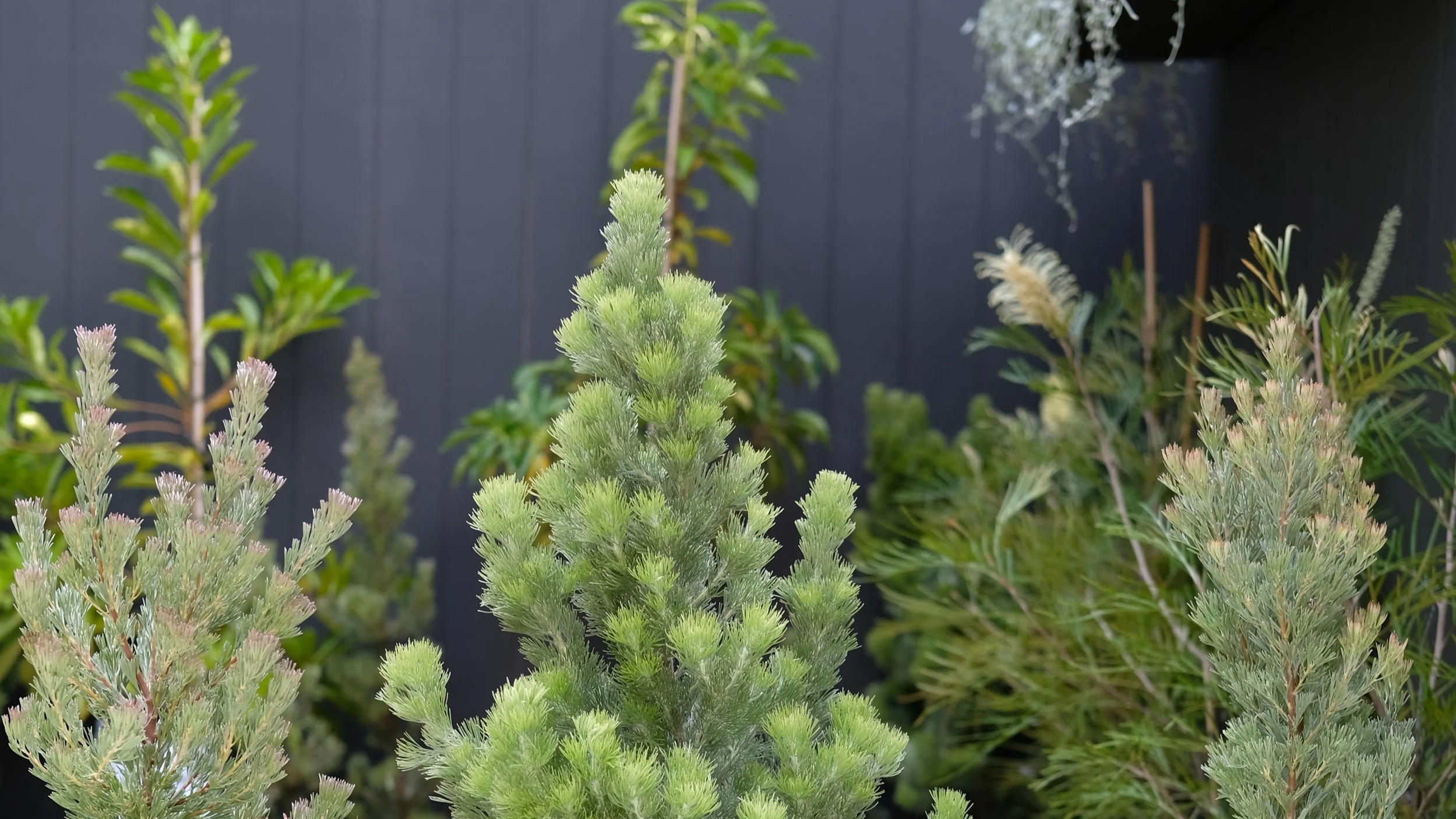
Woolly bush is a wonderfully textural shrub that is a favourite of mine for sensory and children’s gardens. It’s soft needles and greyish-green foliage make it equally useful as a feature plant or to fade into the background planted en masse as an informal screen. Small birds love its dense branches which provide shelter and food in the form of nectar and insects. It also makes a great native Christmas tree!
Plant info
Botanical name: Adenanthos sericeus
Common names: Albany Woolly Bush, Coastal Woolly Bush
Family: Proteaceae
Type: Evergreen shrub (occasionally small tree)
Origin: Coastal regions of southwestern Australia
Height: 2–5 m
Spread: 2–4 m
Uses: Ornamental foliage, informal hedges, screens, feature plant, coastal gardens, cut foliage, attracts birds and insects, windbreak. Christmas tree alternative.
Flowering time: Mainly spring and autumn, but can flower intermittently year-round
Flowers: Small tubular flowers, red to orange (sometimes yellow), rich in nectar
Growing notes
Light: Full sun (tolerates part shade)
Water: Low once established; prefers well-drained sandy soil
Soil: Acidic to neutral, sandy or loamy; avoid heavy clay or waterlogging
Care: Highly tolerant of coastal exposure, wind, and drought. Sensitive to frost, so protect in colder climates. Avoid high-phosphorus fertilisers, use native plant fertiliser instead. Prune lightly after flowering to maintain shape and encourage bushiness. Susceptible to root rot in poorly drained soils.
Propagation: From seeds (slow, may need pre-treatment). Cuttings from healthy growth root well with hormone and humidity control.