Plant of the month: Scarlet runner beans
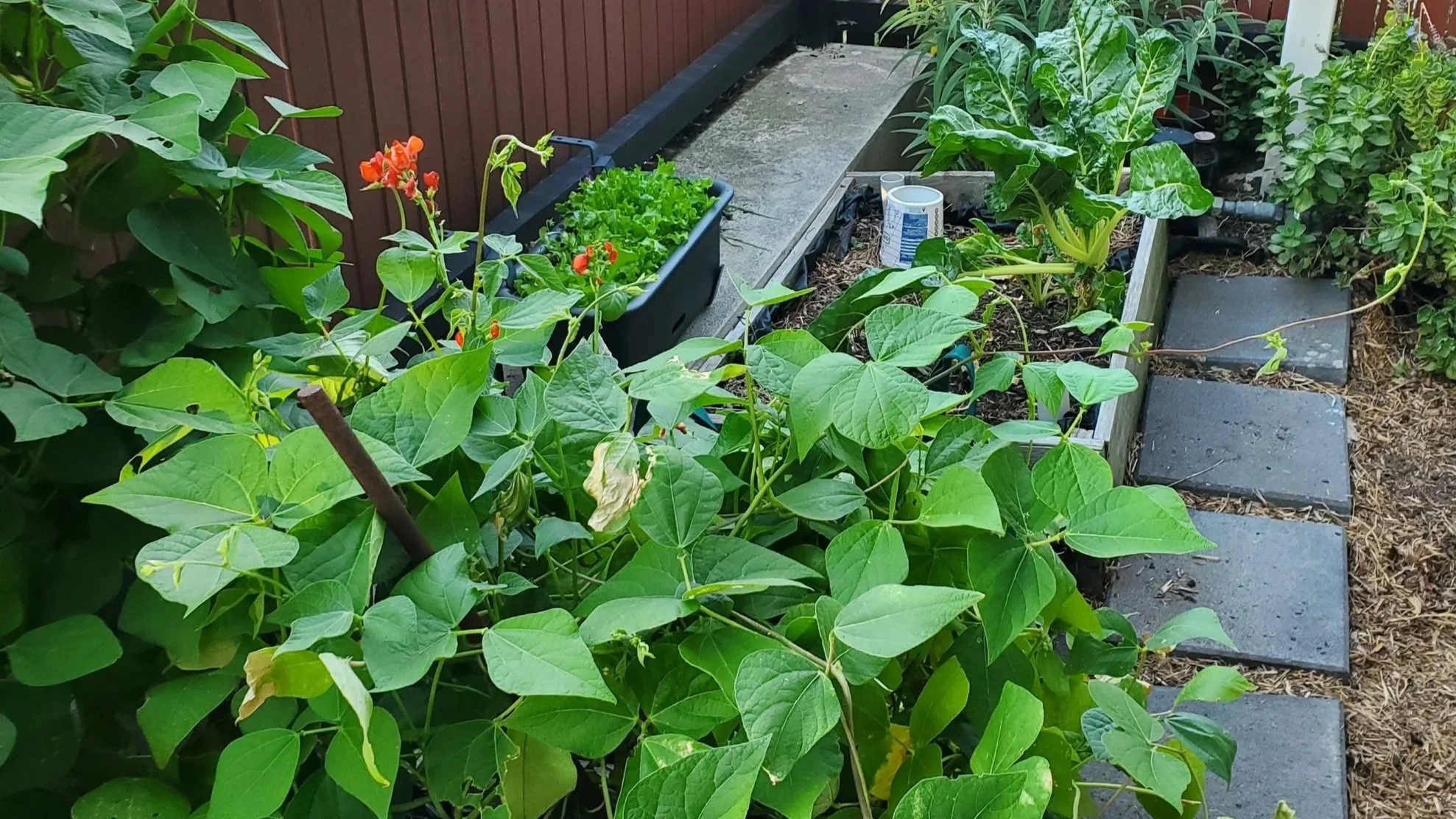
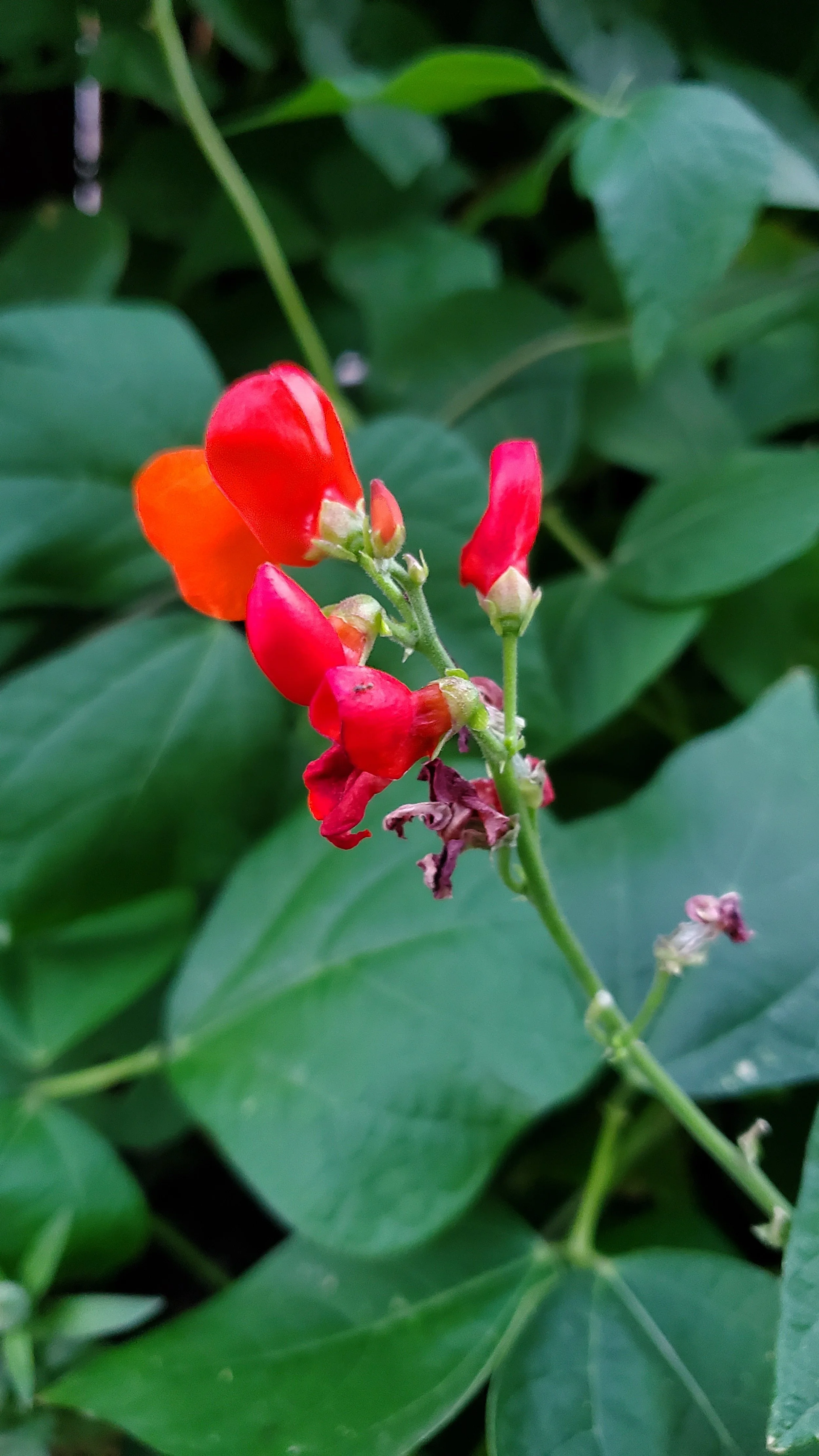
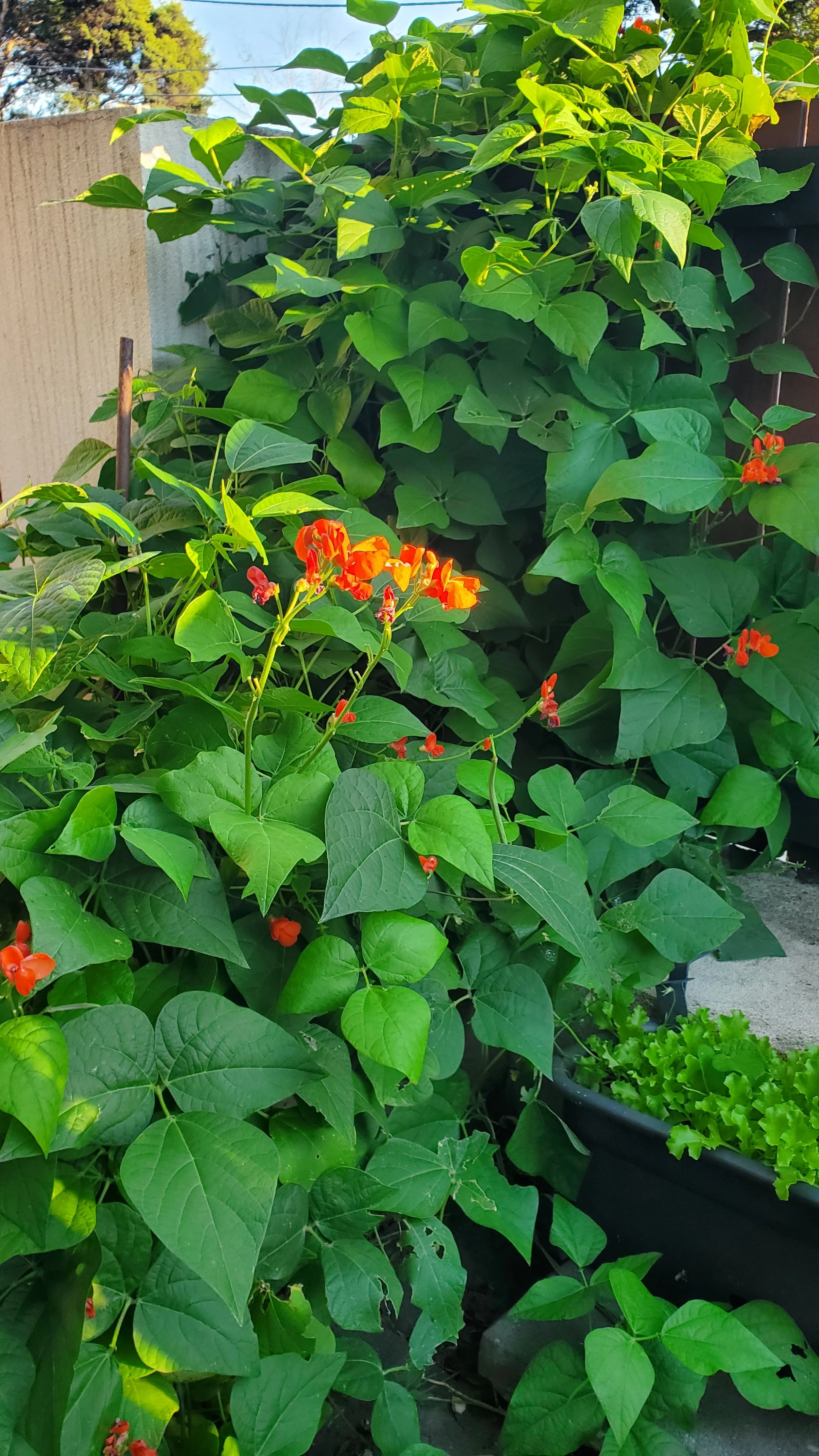
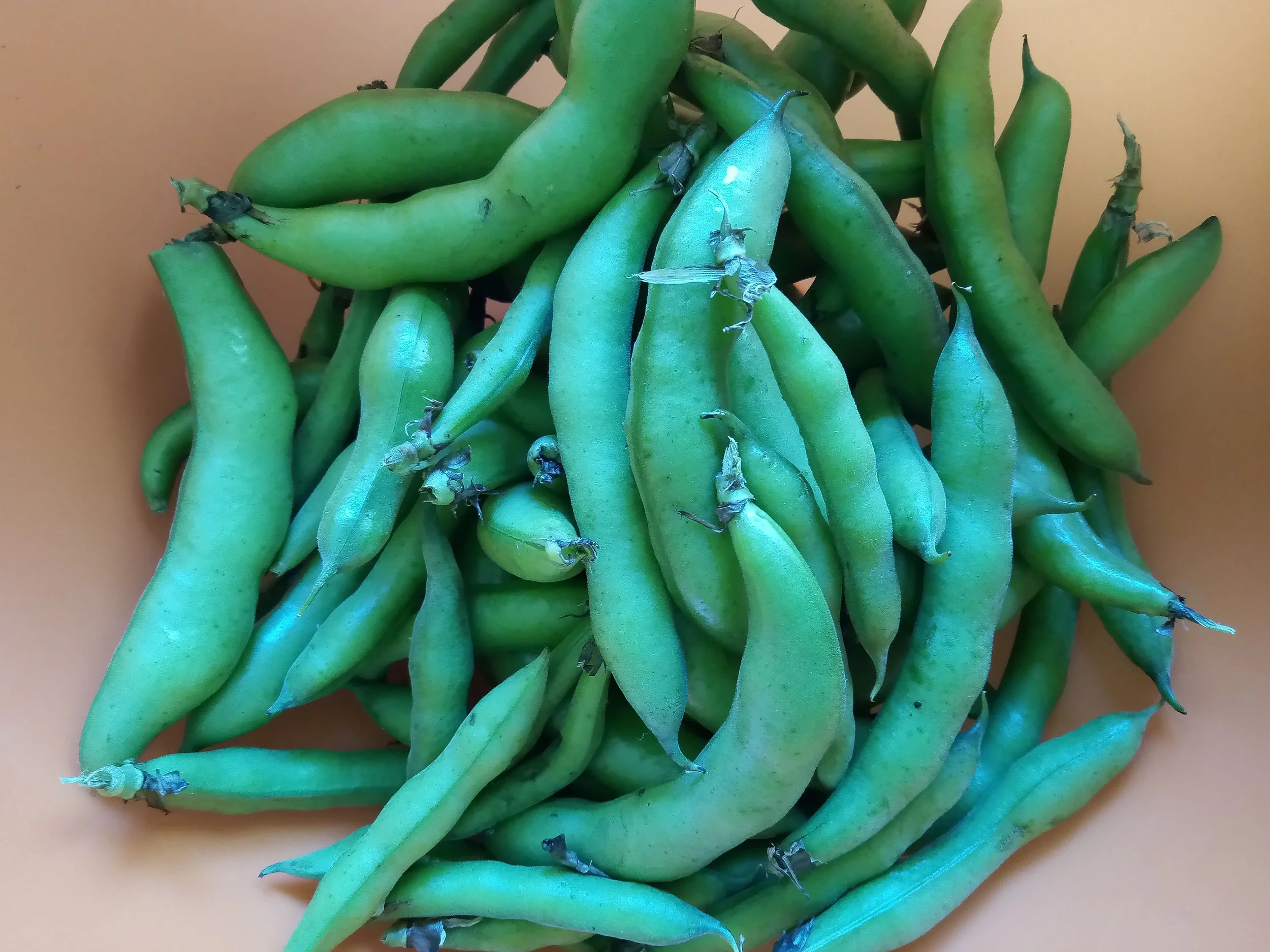
Scarlet runner beans (Phaseolus coccineus) are, in my opinion, the quintessential ornamental edible plant. They quickly cover a trellis or fence, put on a show of bright red flowers, and reward you with nutritious beans. Also known as seven year beans, they die back in winter and resprout in spring. They will not set pods when temperatures are over 30 degrees, so they are best planted in shadier spots in warm areas. These beans need cross pollination, so plant them with plants such as lavender, borage and thyme.
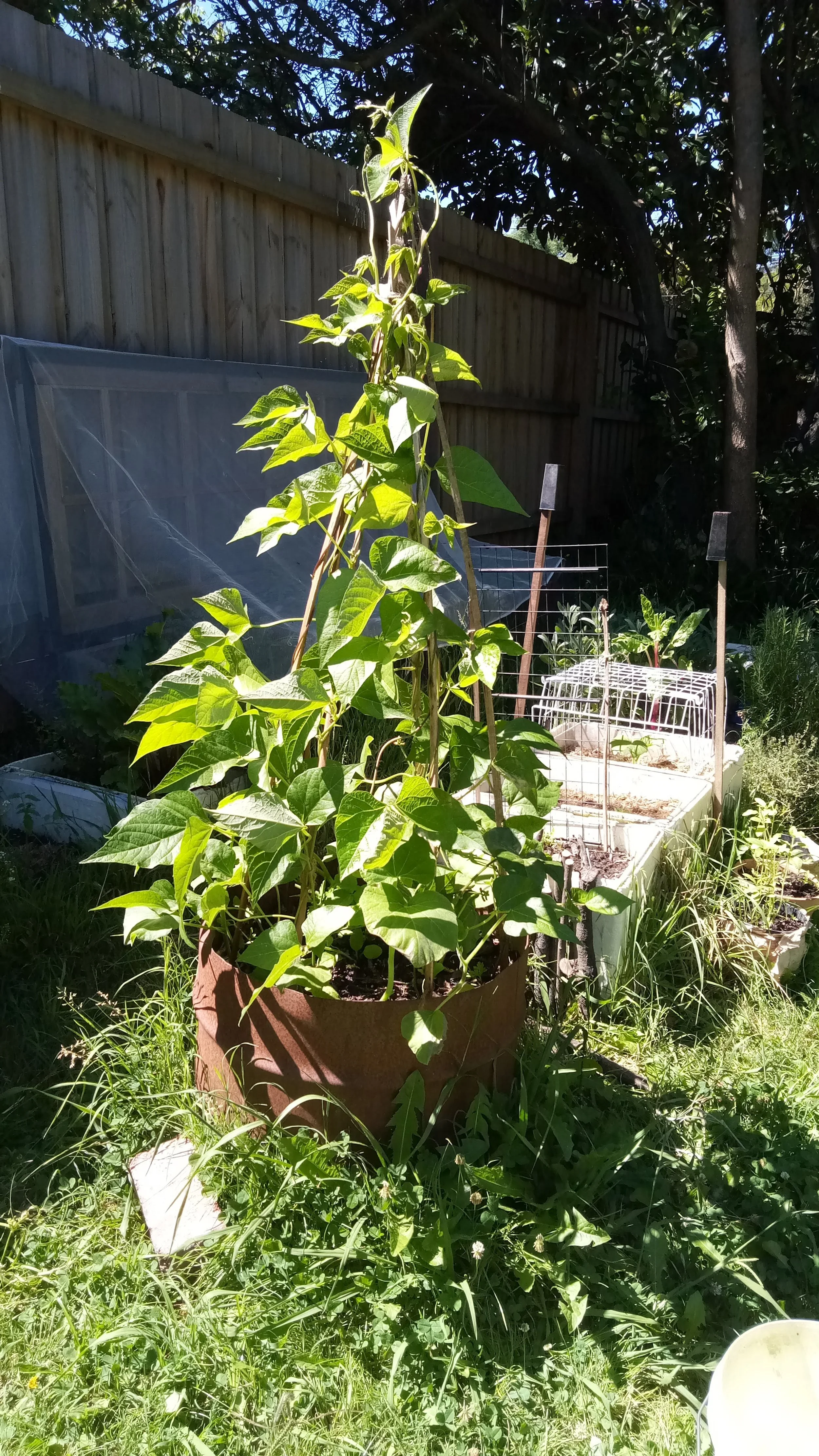
I’ve grown them at two rental properties to provide cheap, fast greening. The first was in a rusty old metal drum, and most recently, along my front fence.
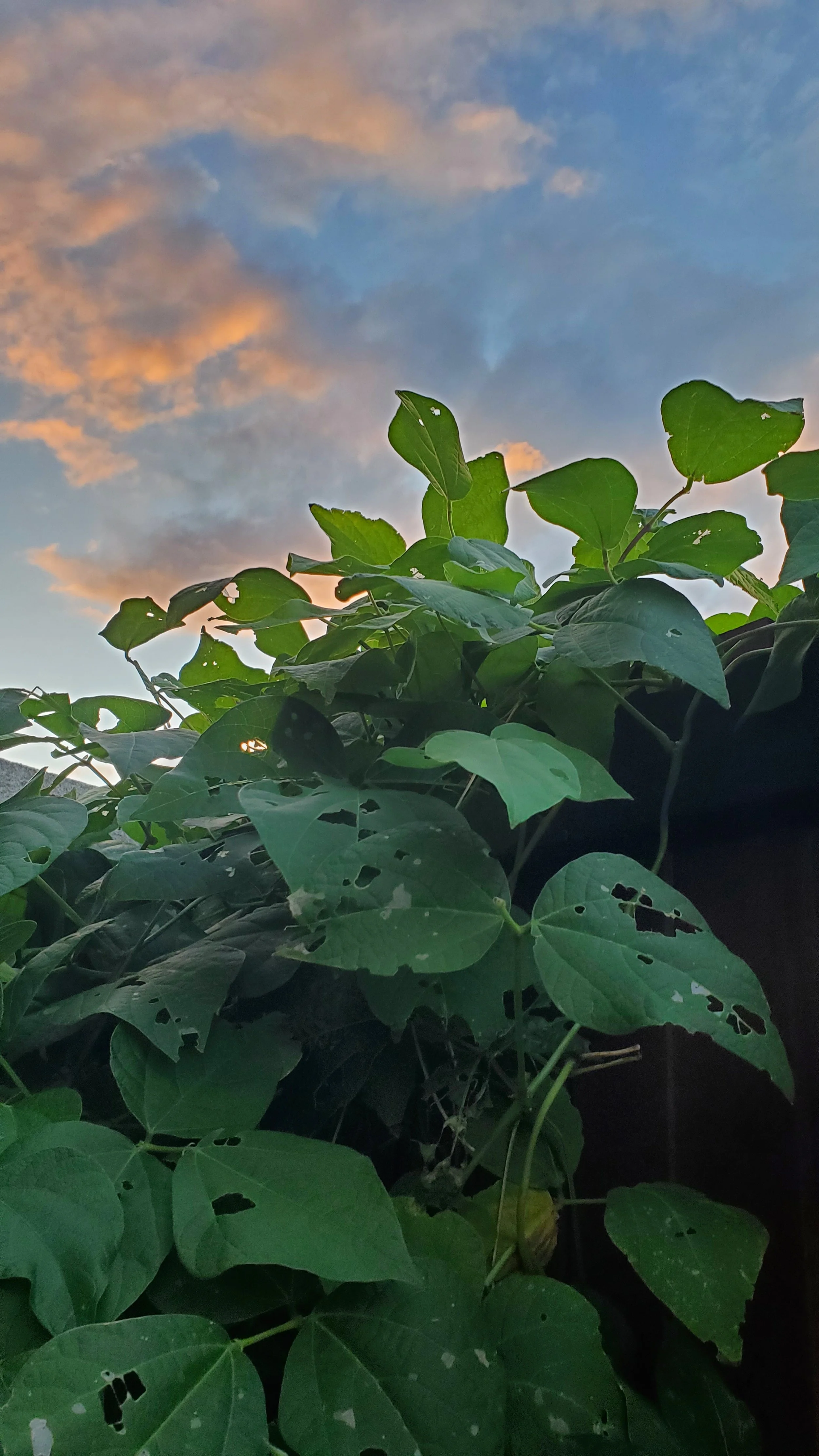
Snails love them, so they can be a good sacrificial plant to locate away from more valuable crops. Protect them when young, but as they become bushier, there will be more than enough for snails to snack on without destroying the plant.
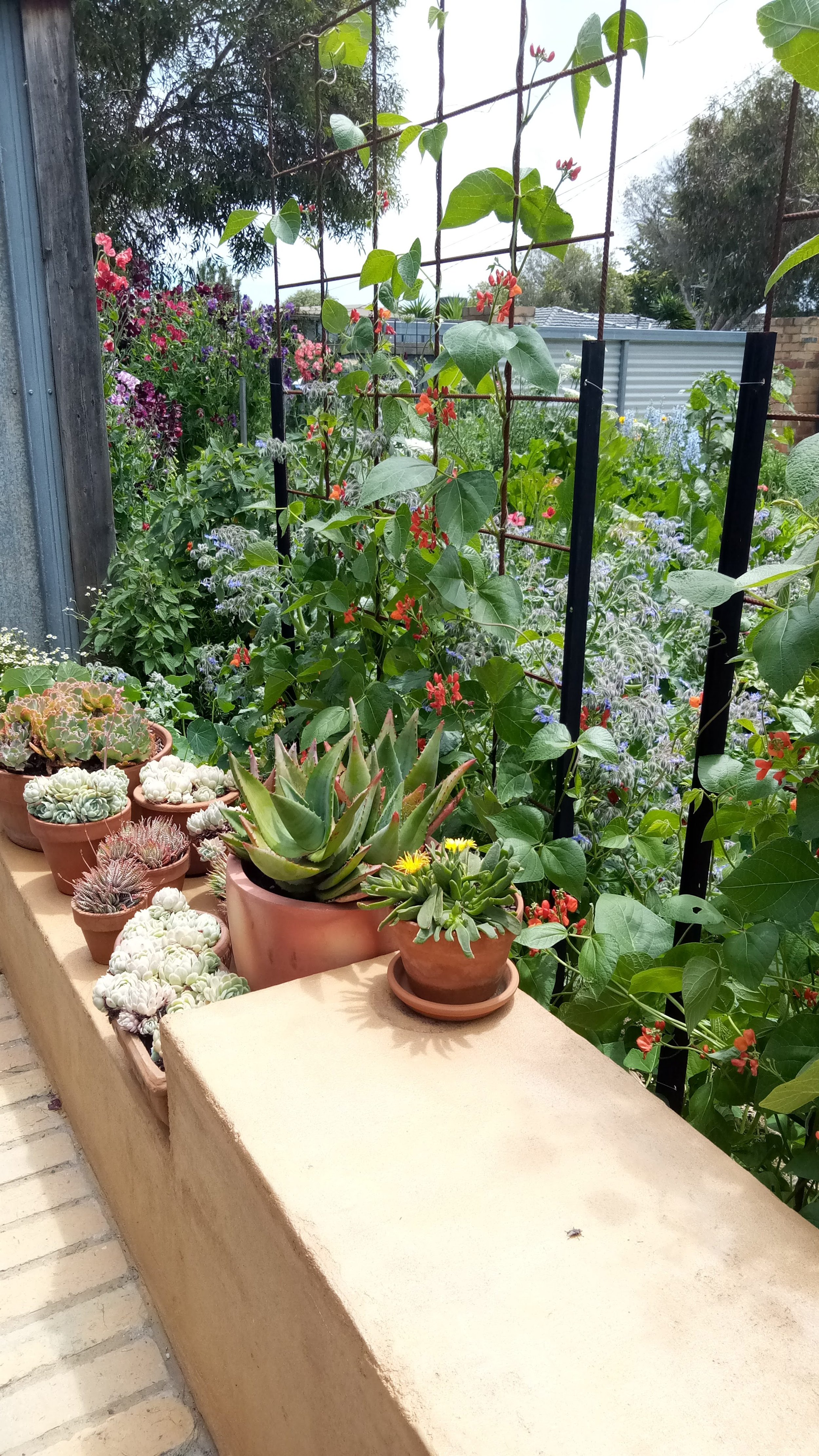
Here are some of my favourite ways to grow them:
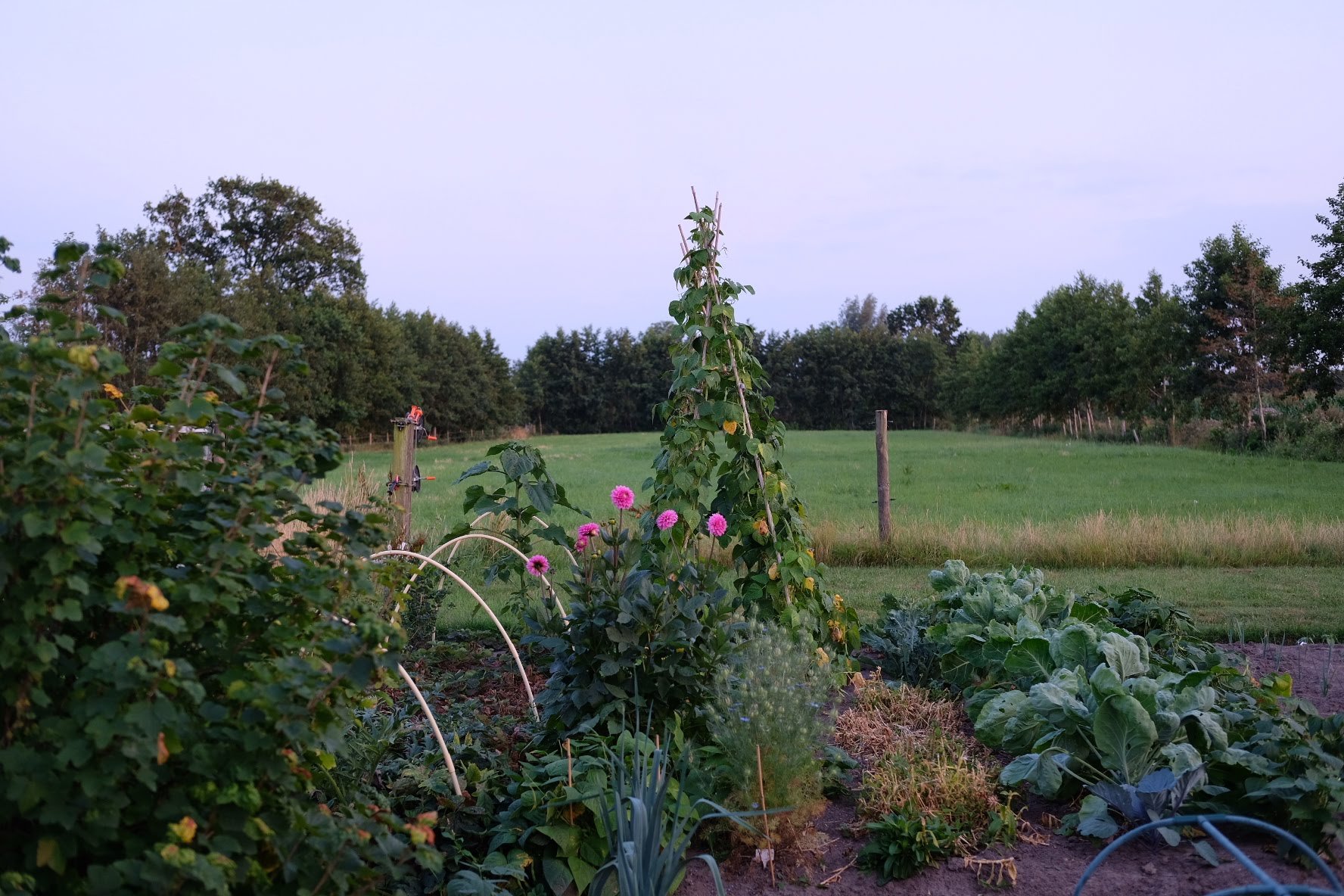
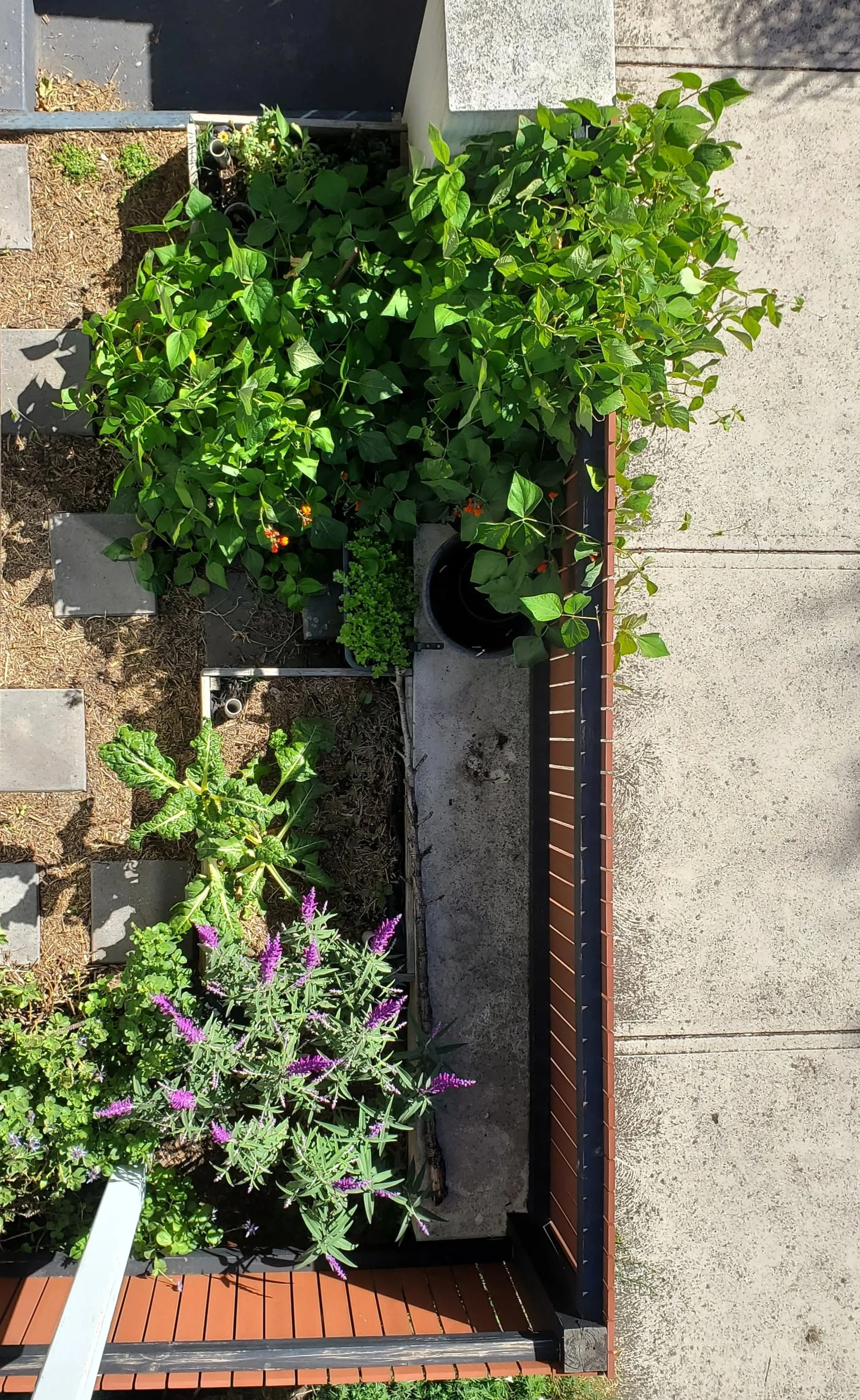
Plant info
Botanical name: Phaseolus coccineus
Common names: Scarlet runner bean, Runner bean, Multiflora bean
Family: Fabaceae
Type: Vigorous climbing perennial
Origin: Mountains of Central America and Mexico
Height: 3–6 m with support
Spread: 60 cm–1.5 m
Uses: Edible pods and seeds, ornamental flowers, attracts pollinators (bees, butterflies), privacy screens, nitrogen-fixing plant
Cropping time: Late summer to autumn
Flowers: Showy scarlet pea-like clusters, edible
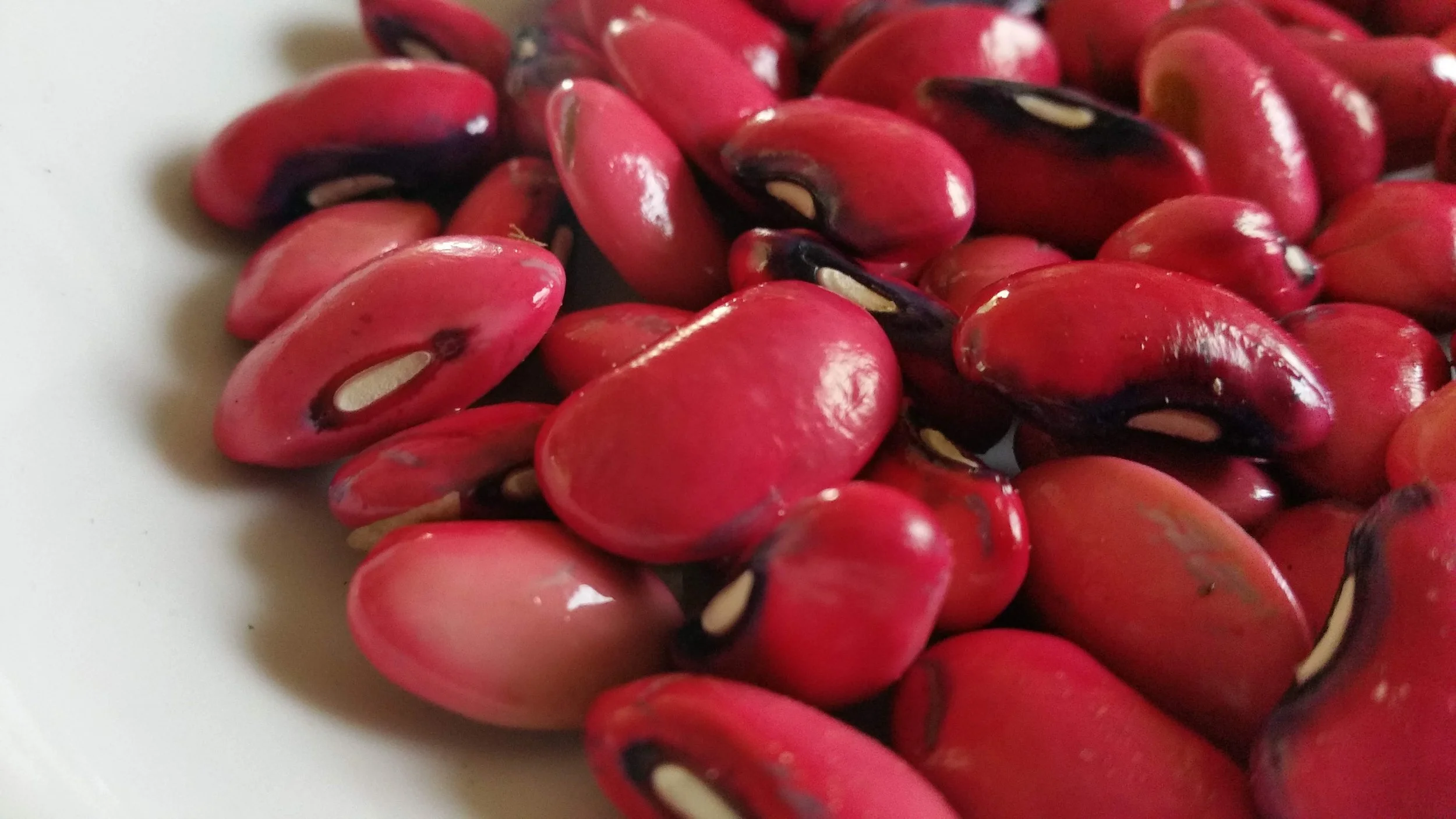
Pods: Edible when young (pick when they snap easily), beans edible when cooked (leave to mature in pods and cook fresh, or dry and store)
Growing notes
Light: Full sun to part shade. Will crop better in cooler, shaded areas in warm temperate climates.
Water: Medium – keep soil consistently moist but well-drained
Soil: Fertile, organically rich, pH 6.0–6.8
Care: Plant one seedling per upright pole of a support structure (trellis, poles, teepee), 25-30cm apart. Mulch to retain moisture and water well, especially when flowering, to encourage good pod set. Pick pods regularly to encourage flowering. Susceptible to aphids, slugs, snails, and fungal issues (powdery mildew, anthracnose). Best bean production is in cooler summers; flowers tolerate heat better than pods. Pinmch out the tips if they get too tall.
Propagation: Sow seeds outdoors after last frost when soil warms to 10°C. Plant 5cm deep, 25-30cm apart. Can start indoors 4–6 weeks before last frost in root trainers (avoid disturbing roots). Germination is usually reliable if seeds are fresh; save seeds from open-pollinated varieties for next season.