Plant of the Month: Pelargonium sidoides
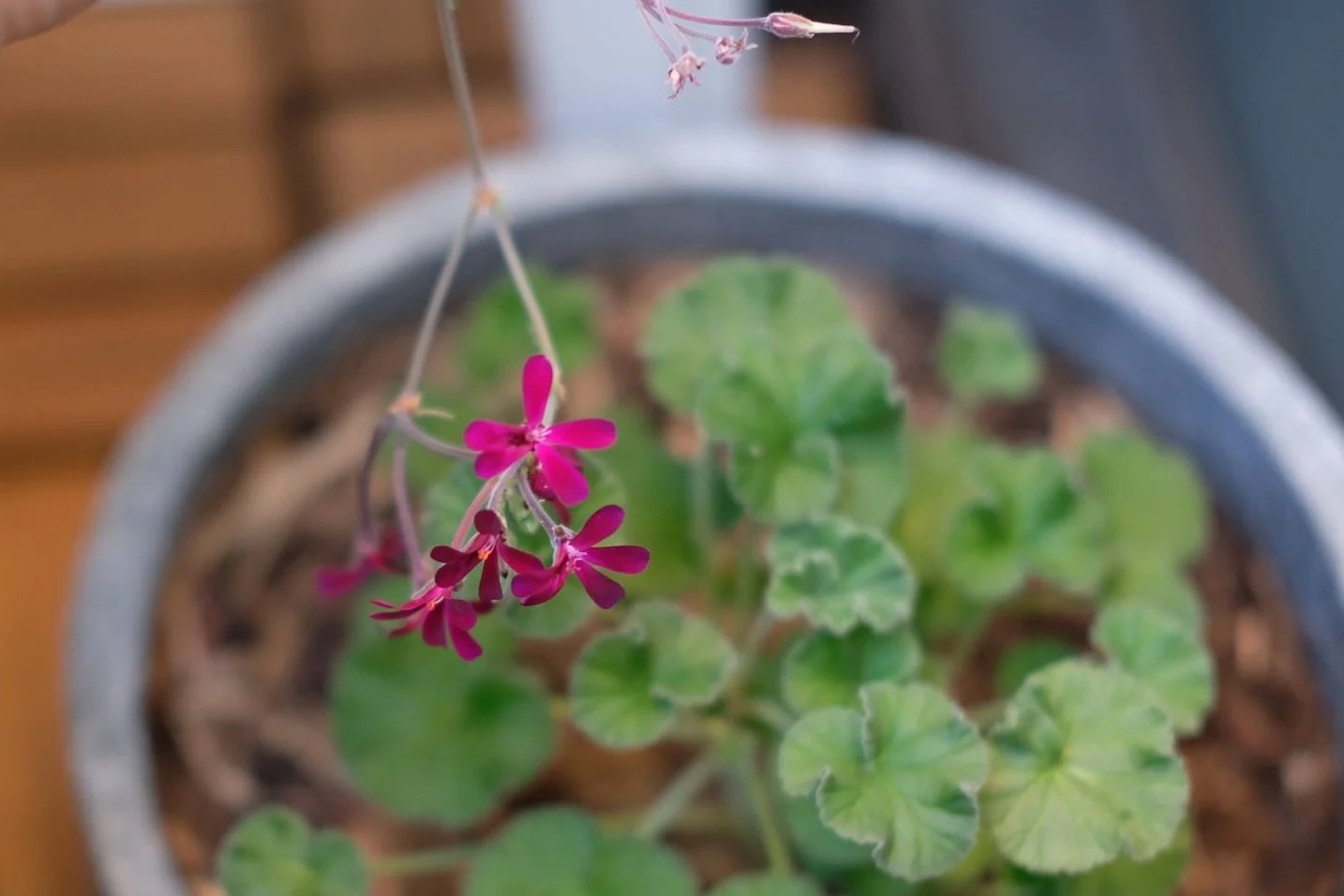
The African Geranium is a wonderful low-maintenance plant that offers year-round foliage interest with a pop of jewel-toned colour.
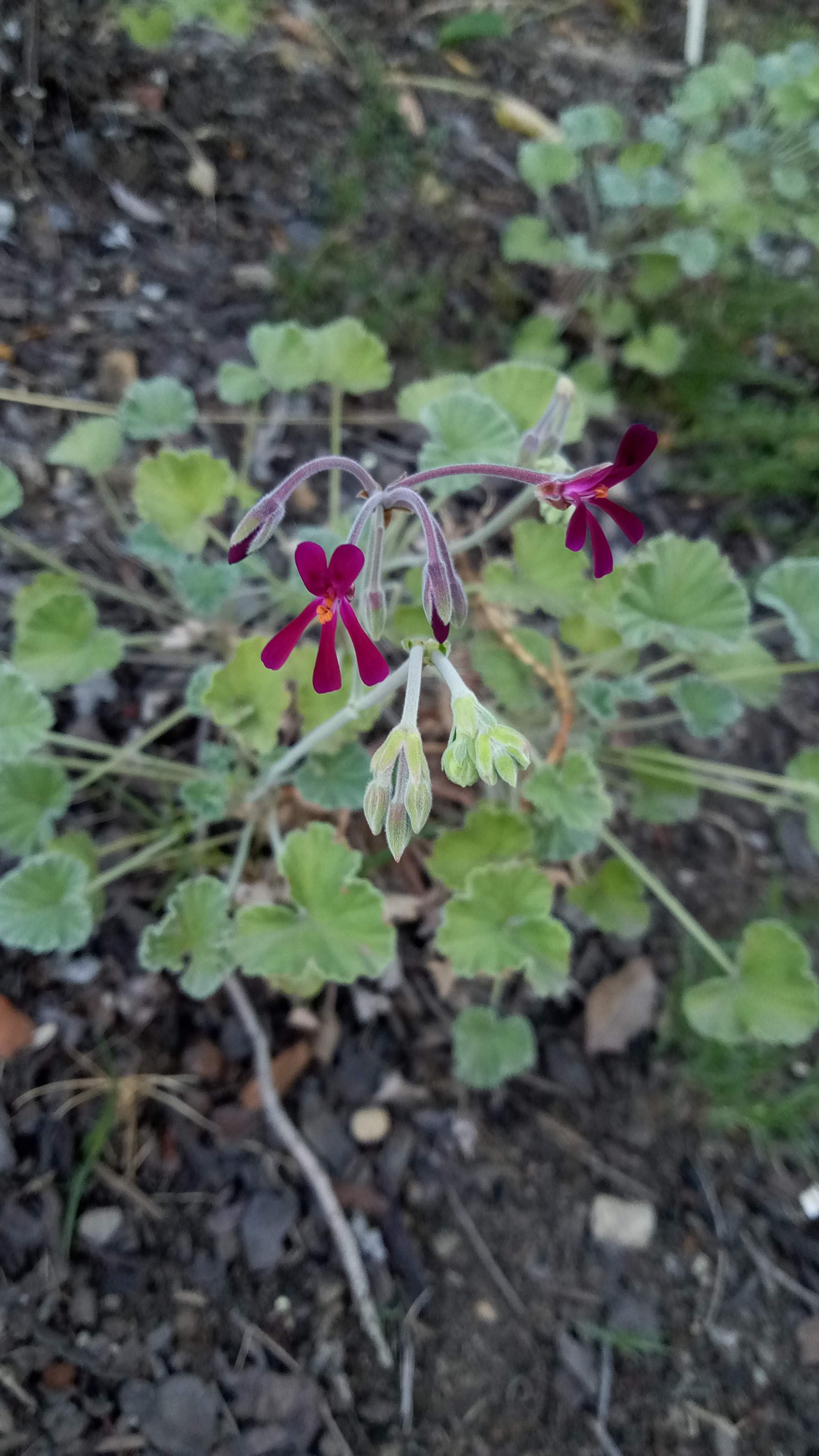
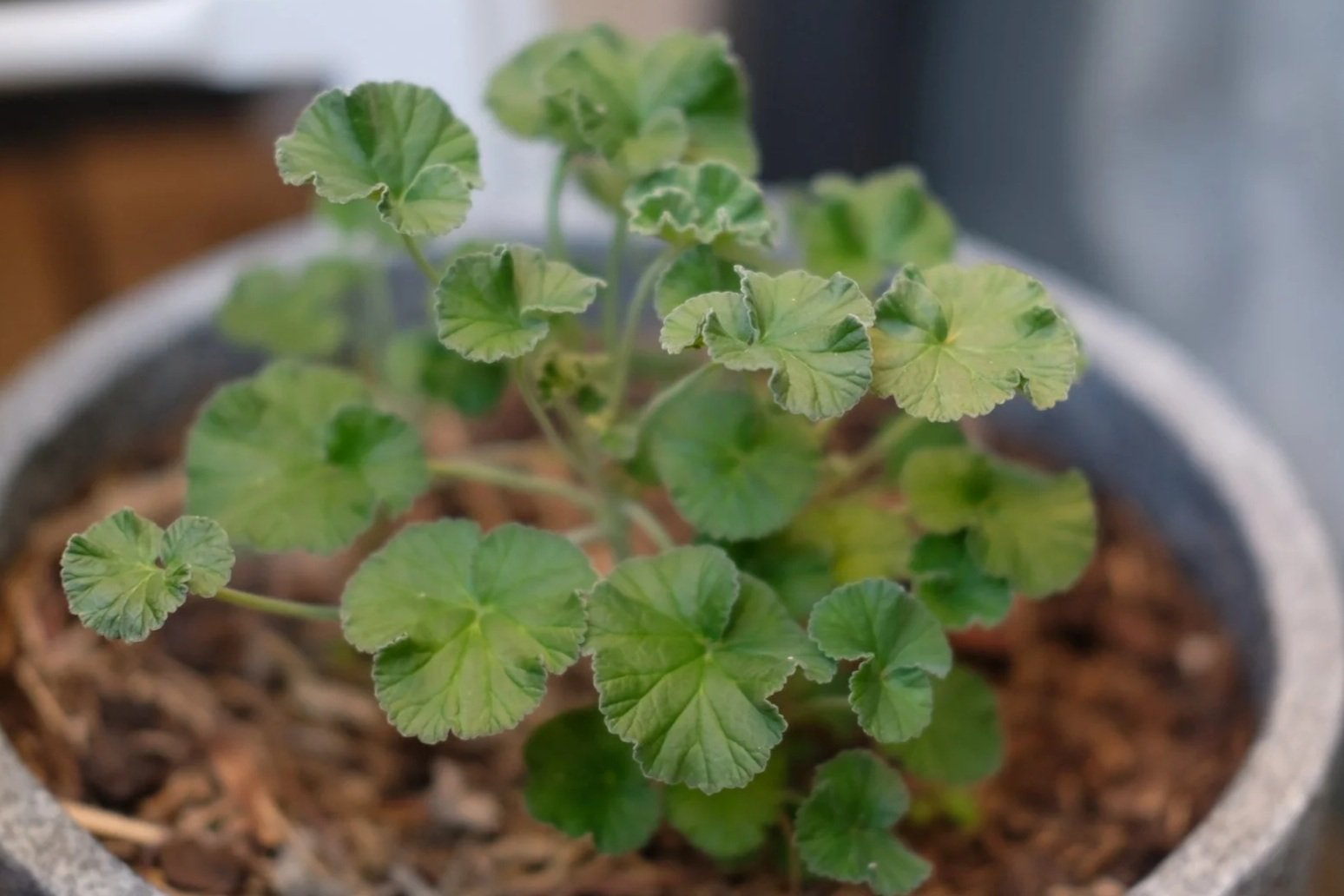
The first time I saw this plant was upon entering the Burnley campus where it cascades down a rock garden. What drew me in was it’s intriguing combination of silvery-blue foliage and deep magenta flowers floating on long stems. This South African native is traditionally used as treatment for respiratory conditions.
From a sensory perspective, it doesn’t have a particularly pleasant smell, but is not as pungent or hairy as some other pelargoniums.
It’s a reliable groundcover that contrasts well with lime green and purple foliage, and complements the grey foliage of Australian natives such as Westringia and Eremophila. It is exceptionally tough with drought and wind tolerance making it a great choice for balconies and rooftops, nature strips and beside driveways. If you’re on a budget, it’s also very easy to propagate (I now have over 20 plants from the single specimen I purchased).
Plant info
Botanical name:Pelargonium sidoides
Common names: Silver-leaf Geranium, African Geranium, Kalwerbossie
Family: Geraniaceae
Type: Herbaceous perennial / subshrub
Origin: South Africa
Height: 20–30 cm
Spread: 30–50 cm
Uses: Groundcover, rockeries, hanging baskets, and pots
Flowering time: Late spring through to autumn, though it can flower year-round in milder climates.
Flowers: Deep magenta/maroon to near-black, five-petalled flowers held on long, thin peduncles well above the foliage.
Growing notes
Light: Full sun to part shade. To maintain the intense silver colour and a tight, compact habit, aim for at least 6 hours of direct sunlight.
Water: Low water requirements once established. It is highly drought-tolerant thanks to its thickened, tuberous roots. Allow the soil to dry out between waterings, as it does not like wet feet.
Soil: Requires excellent drainage. A gritty, sandy loam is ideal. If planting in containers, use a high-quality potting mix with added perlite or horticultural grit to ensure free drainage.
Care: Very low maintenance. Deadhead the spent flower stems to encourage more blooms and keep the plant looking tidy. A light prune in early spring will help maintain its shape. Feed sparingly with a low-phosphorus liquid fertiliser during the growing season.
Propagation: Easily propagated from stem cuttings or by dividing the tuberous rootstock in spring or autumn. You’ll often see a stem cascading off the main plant with a new clump of leaves which tells you it’s ready to cut off and propagate, or bury in the soil to keep the clump growing.