Gardening with Hypermobility

The zebra is the symbol for EDS and HSD because we are often the unexpected in terms of diagnosis. “Sometimes when you hear hoofbeats, it really is a zebra.”
May is Ehlers-Danlos Syndrome (EDS) and Hypermobility Spectrum Disorder (HSD) Awareness Month. For those of us with hypermobile joints, gardening can be a double-edged sword: it's great for sensory regulation and mental health, but the physical demands can lead to joint subluxations, chronic pain, and fatigue.
Hypermobility is far more common than previously thought, particularly among neurodivergent people. Research indicates that individuals with hypermobility are roughly 2.5 times more likely to be neurodivergent than the general population. Gardening can provide the heavy, focused work and proprioceptive input many neurodivergent people crave, but our hypermobile bodies sometimes don't know when to stop.
As a neurodivergent bendy gardener who works with neurodivergent bendy clients, I'm going to share some research-backed strategies for designing, planning and maintaining your garden to help us thrive without the physical exhaustion.
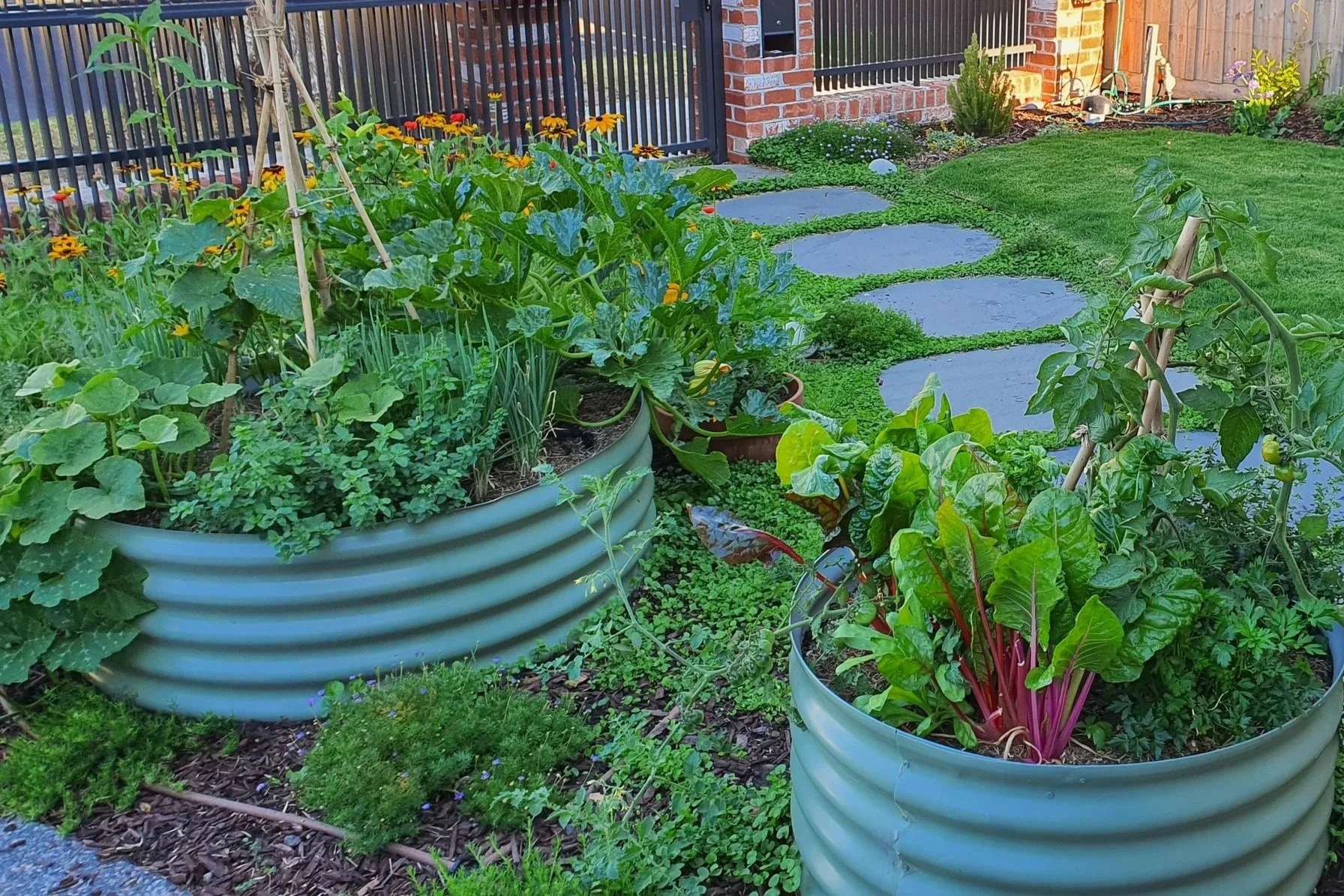
1. Designing
Because our hypermobile bodies often struggle with proprioception (knowing where the body is in space), our gardens should be clear, and navigable. And because EDS/HSD often co-occurs with POTS (Postural Orthostatic Tachycardia Syndrome), bending, weeding, or standing in the heat can be physically taxing.
Here are some design strategies to help:
Use distinct textures (smooth stone vs. crunchier gravel) to help your feet feel the boundaries of a path.
Ensure paths are non-slip and level. If you have unstable ankles, uneven pavers are a high-risk zone.
Use waist-high raised beds to eliminate the need to crouch (protecting hips and knees).
Plant a vertical garden to bring the garden to eye level, preventing "head-below-heart" maneuvers that trigger dizzy spells.
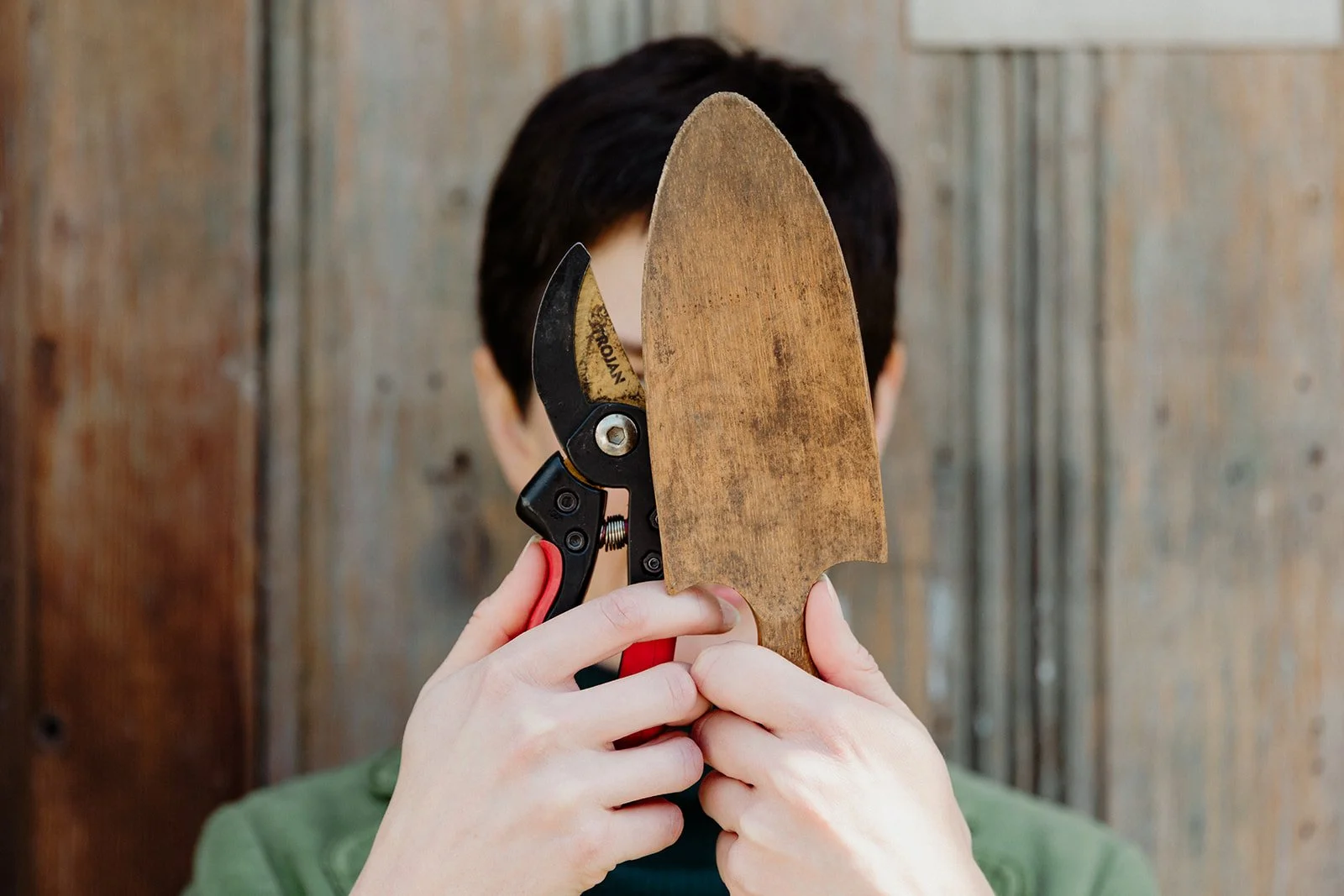
2. Planning
Repetitive gripping (e.g. pruning) and heavy lifting (e.g. watering cans) can easily subluxate small joints in the hands and wrists. In fact, up to 70% of HSD/EDS patients report significant hand and wrist dysfunction that interferes with daily activities. [Reference: Castori, M. (2012). Ehlers-Danlos Syndrome, Hypermobility Type: An Underdiagnosed Hereditary Connective Tissue Disorder.]
When planning your gardening and purchasing tools, here are some tips:
Switch to ratchet-action pruners, which require 30% less grip strength.
Use long-handled tools to provide better leverage and keep the spine neutral.
Use a stool or kneeler to bring you to the right height and relieve some joint pressure.
Install drip irrigation or lightweight hoses to eliminate the weight of carrying water. If you need to use a watering can, purchase a lightweight version of 9L maximum, and only fill it up to a weight you're comfortable carrying. Brace your wrists and engage your arm muscles as you pick it up to prevent strain on your wrists and fingers.
3. Maintaining
The smaller your garden is, the less energy it will take to maintain. If you're lucky enough to have a larger garden, think about splitting up tasks over a few days rather than spending 6 hours straight trying to do it all.
Here are some maintenance tips:
Set a 20-minute timer for each task in the garden. When the timer goes off, stop what you're doing, return your body to a neutral position and check-in with how it's feeling. If there are any pain points, do what you need to do to release it; whether that's exercises recomended by your physio, or gently rotating your joints. When you're ready to get back to gardening, try to do a task that uses different joints. or example, if you've been doing heaving pruning and can feel it in your wrists and fingers, switch to watering or seed sowing which is lighter on those joints.
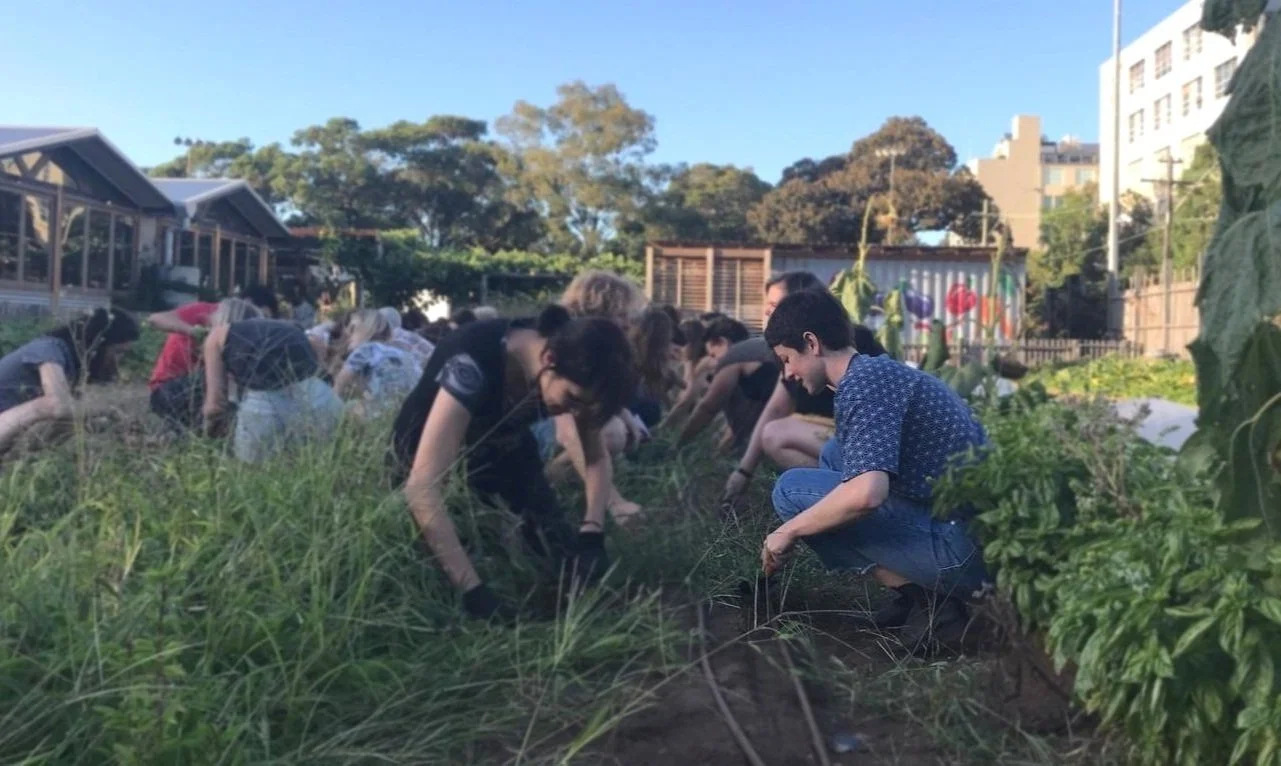
Garden together with someone. Ask a family member, friend or housemate to garden with you, or hire a co-gardener. Divide tasks based on your strengths, or, if you have POTS, choose whether you'll do standing (high-up) or crouching (low-down) tasks to minimise switching between the two.